
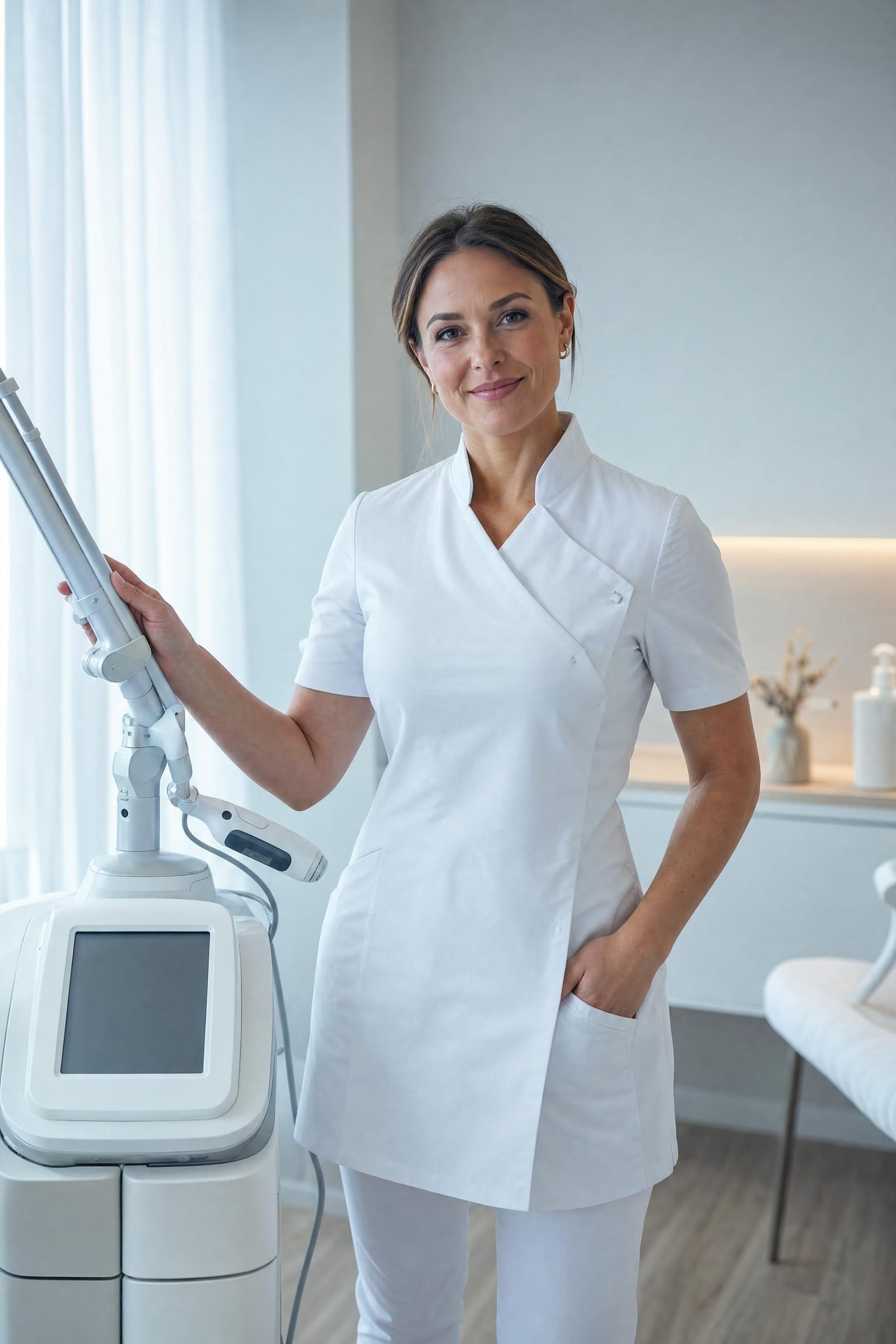
Medical and clinical equipment
Aesthetic laser finance from 48+ Australian lenders.
An aesthetic laser only makes sense if the treatment volume is there. We work through the numbers and structure the finance around realistic bookings.
 340 client reviews


One broker from your first call through to funding.
See which aesthetic laser finance options fit your business.
Tell us what you are buying. A Lyft Money broker compares 48+ lenders and explains the rate, balloon, fees and total cost before you decide.
Access to 21+ aesthetic laser finance lenders
Lenders on our panel that fund aesthetic laser finance.




















At a glance
Aesthetic laser finance: the numbers that matter.
- Typical price
- $30,000 – $300,000
- Terms
- Up to 72 months
- Indicative rates
- 6.6% – 13.5% p.a.
- Typical speed
- 24–72 hours for low-doc within practice limits
- Usual structure
- Medical equipment finance
- Useful life
- About 8 years
In plain English
What is aesthetic laser finance?
Aesthetic laser finance is funding for cosmetic and medical laser platforms used for hair removal, skin resurfacing, pigmentation and body contouring, secured against the equipment. These devices are a major purchase for Australian clinics and lenders assess both the machine’s resale market and the clinic’s treatment volume.
Aesthetic lasers are bought on a revenue model, not on clinical necessity. A hair removal or skin resurfacing platform earns per treatment, so the honest question before purchase is how many treatments a week are realistically bookable at your price point, and how quickly that covers the repayment plus consumables. Clinics that answer this carefully do well; those that buy on a supplier projection often struggle.
Lenders read the same risk. A clinic with an existing client base and treatment history is a straightforward application. A start-up buying a $150,000 platform on optimism will usually be asked for a deposit or additional security. Your broker should tell you plainly where you sit and what the panel is likely to support, rather than submitting an application that will not fly.
How lenders assess aesthetic laser finance
Aesthetic devices depreciate faster than most medical equipment because technology and consumer demand shift, so lenders can be conservative on term and may seek a deposit from newer clinics. Established practices with treatment history are funded more readily. Handpiece condition and remaining shot counts materially affect value on used devices. Consumables, training and marketing packages bundled by suppliers should be separated from the equipment price. Some states regulate who may operate certain laser classes, and lenders may ask about qualifications.
New or used
New platforms come with training, warranty and consumable support; used devices are cheaper but service, handpiece condition and consumable supply need checking carefully.
Before you buy
- Ask for the remaining shot count and handpiece condition on any used device — a spent handpiece can cost tens of thousands to replace.
- Check the ongoing consumable and service cost per treatment before you buy, then work out your break-even treatment count.
- Confirm the licensing and operator qualification requirements for that laser class in your state.
Commonly financed
- Candela GentleMax Pro
- Cynosure Elite iQ
- Cutera Excel V+
- Alma Harmony XL Pro
- Lumenis M22 IPL
A clear next step
How to finance an aesthetic laser.
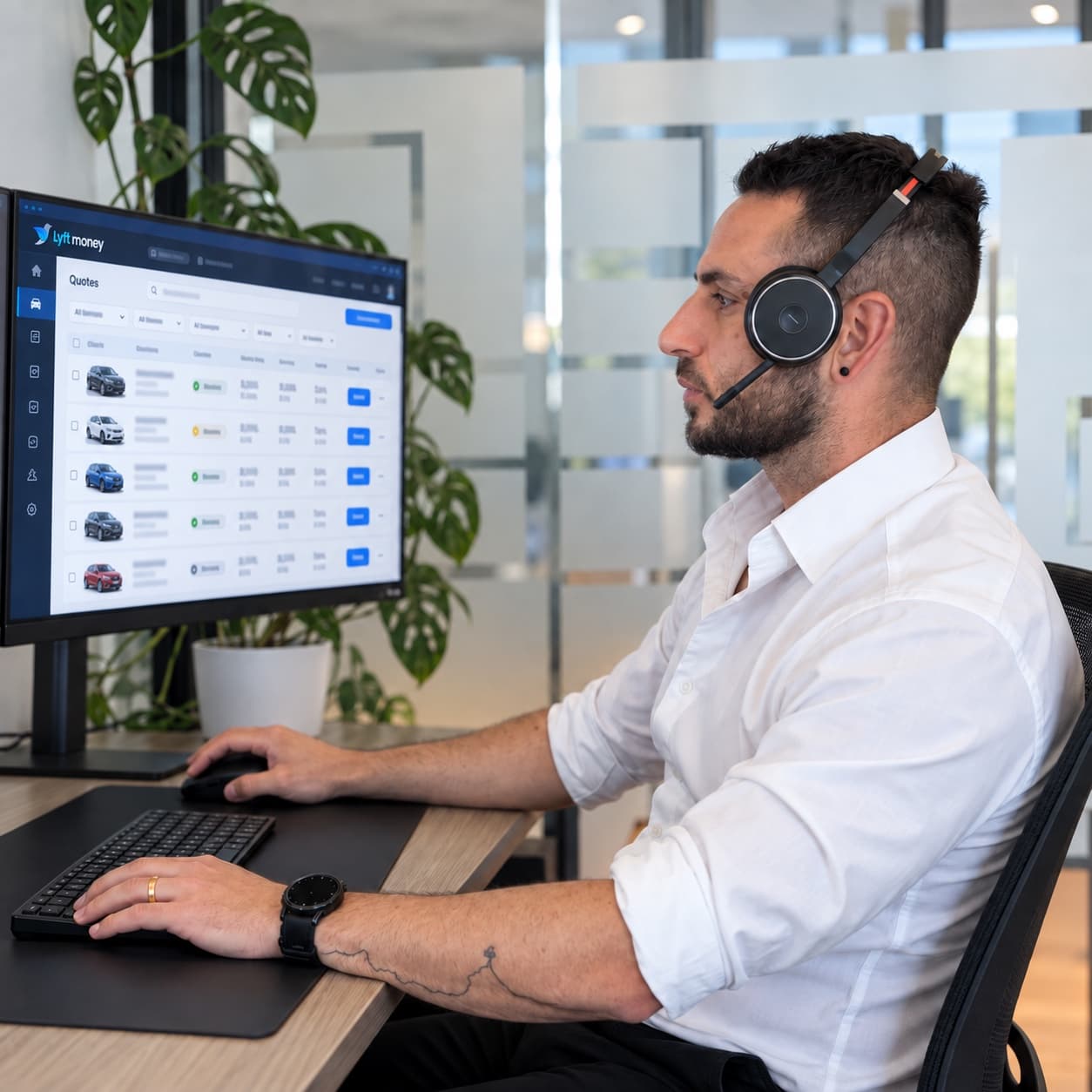
Our AI helps check lender fit across 48+ lenders. Your broker reviews the options and explains what they mean for you.
- 01
Quote and timeline
Supplier quote including installation and training, plus the expected delivery and commissioning dates.
- 02
Choose ownership or rental
Your broker compares chattel mortgage against operating lease based on the equipment’s replacement cycle.
- 03
Settle with a deferred start
The financier pays the supplier; repayments can be timed to begin once the equipment is billing.
- AHPRA registration and practice ABN
- Supplier quote with installation and training itemised
- Practice financials or bank statements depending on the amount
The lender makes the final credit decision. Available options depend on your business and the lender’s assessment.
Before you make a decision
Estimate your aesthetic laser repayments.
Adjust the price, rate, term and balloon to see the repayment and the total cost over the term.
- Number of repayments
- 60
- Balloon at end of term
- $33,000
- Total interest (est.)
- $43,969
- Total repaid (est.)
- $208,969
This calculator is a guide only. It uses simplified assumptions, excludes fees and charges unless stated, and is not an offer or quote. Actual repayments are confirmed by the lender in its loan contract.
From Lyft Money clients
Clear advice.
People who stay in touch.
Rated 5.0 from 340 Google reviews across the types of finance we arrange. Read them on Google.
“keeping us informed every step of the way”
“He explained all the financing options clearly”
“helped out my business”
Ways to finance an aesthetic laser
Key terms
What is aesthetic laser finance?
Aesthetic laser finance is a loan or lease used to buy a cosmetic or medical laser platform, with the device as security. Terms usually run 36 to 72 months, shorter than general medical equipment because technology and demand move faster in this category.
What is a shot count on a laser handpiece?
A shot count records how many pulses a handpiece has delivered against its rated life. Handpieces are consumable items with a finite number of shots, so a device with a high count may need an expensive replacement soon after purchase.
How long can I finance an aesthetic laser for?
Three to five years is typical because technology moves quickly and handpieces have limited shot counts. Some clinics prefer a rental or operating lease with an upgrade path. Match the term to how long the device will stay competitive in your market and to the treatments it will earn from.
Can a cosmetic clinic finance a laser or IPL device?
Yes. Hair removal, skin rejuvenation, tattoo removal, body contouring and IPL devices are financed for medical and non-medical clinics, with established clinics usually approved on low documentation. Lenders assess the device’s brand and resale market, the clinic’s trading history and, for medical-grade devices, the practitioner’s registration.
Can a new clinic finance its first device?
Yes, with the right lender. New clinics can be approved with a deposit, a clean personal credit file, relevant qualifications and a business plan showing treatment demand. Devices from major brands with strong resale markets are easier to finance for a start-up than newer or unbranded units.
Can training, handpieces and consumables be included?
Handpieces, cooling systems, delivery, installation and training can usually be financed with the device when quoted together. Consumables such as tips and gels are not financed but can run through a business line of credit. Ask your broker to include everything on the supplier’s quote.
What medical and clinical equipment can be financed?
Almost any clinical asset: ultrasound and imaging, dental chairs and CAD/CAM systems, surgical and sterilisation equipment, veterinary diagnostic and surgical gear, physiotherapy and rehabilitation machines, optometry and audiology instruments, cosmetic lasers, practice management software and IT, and the clinic fit-out itself. New equipment from suppliers is the simplest; refurbished equipment from recognised dealers is financed by many lenders too.
What does a practice-friendly finance structure look like?
Several lenders offer structures built for practices: deferred first payments so the equipment starts earning before repayments begin, terms matched to the equipment’s clinical life, seasonal or stepped repayments for practices that are still building patient numbers, and pre-approved equipment limits for established practitioners. Medical, dental and veterinary professionals are treated as low-risk borrowers, so pricing and documentation are usually favourable.
Can I get low-doc finance as a doctor, dentist or vet?
Yes. Registered health practitioners are often eligible for low-doc or no-doc equipment finance up to practice limits, commonly $150,000 to $500,000 depending on the lender and profession, based on registration, time in practice and credit history rather than financials. Larger amounts and new practices provide recent financials or a business plan. Your broker knows which lenders run professional programs for each discipline.
Should I lease or buy medical equipment?
Buy with a chattel mortgage when the equipment will serve the practice for years and you want to own and depreciate it, such as dental chairs or sterilisers. Lease when the technology moves quickly and you expect to upgrade, such as imaging, lasers or IT, because a lease with a residual makes the upgrade cycle simpler. Your accountant advises on the tax outcome for your practice entity, and your broker structures either option.
Can I finance equipment for a new practice?
Yes. Lenders regularly fund new practices for registered practitioners with a track record as an employee or associate, because the profession itself gives them confidence. A business plan, the lease on the premises and evidence of qualifications are the main requirements, and the fit-out, equipment and working capital can be funded together as a package so the practice opens fully equipped.
Is medical equipment finance tax deductible?
Generally, yes. For a chattel mortgage the interest and the depreciation of the equipment are deductible, and GST on the purchase can usually be claimed on the next BAS. For a lease the rental payments are deductible and GST is claimed on each payment. Instant asset write-off rules may apply in some years. Confirm the treatment with your accountant, since practices are often run through companies or trusts with their own considerations.
Your business. Your decision.
See your options.
Know the costs.
Decide with confidence.
One broker to explain it. Clear numbers before you proceed.
No obligation to proceed.