
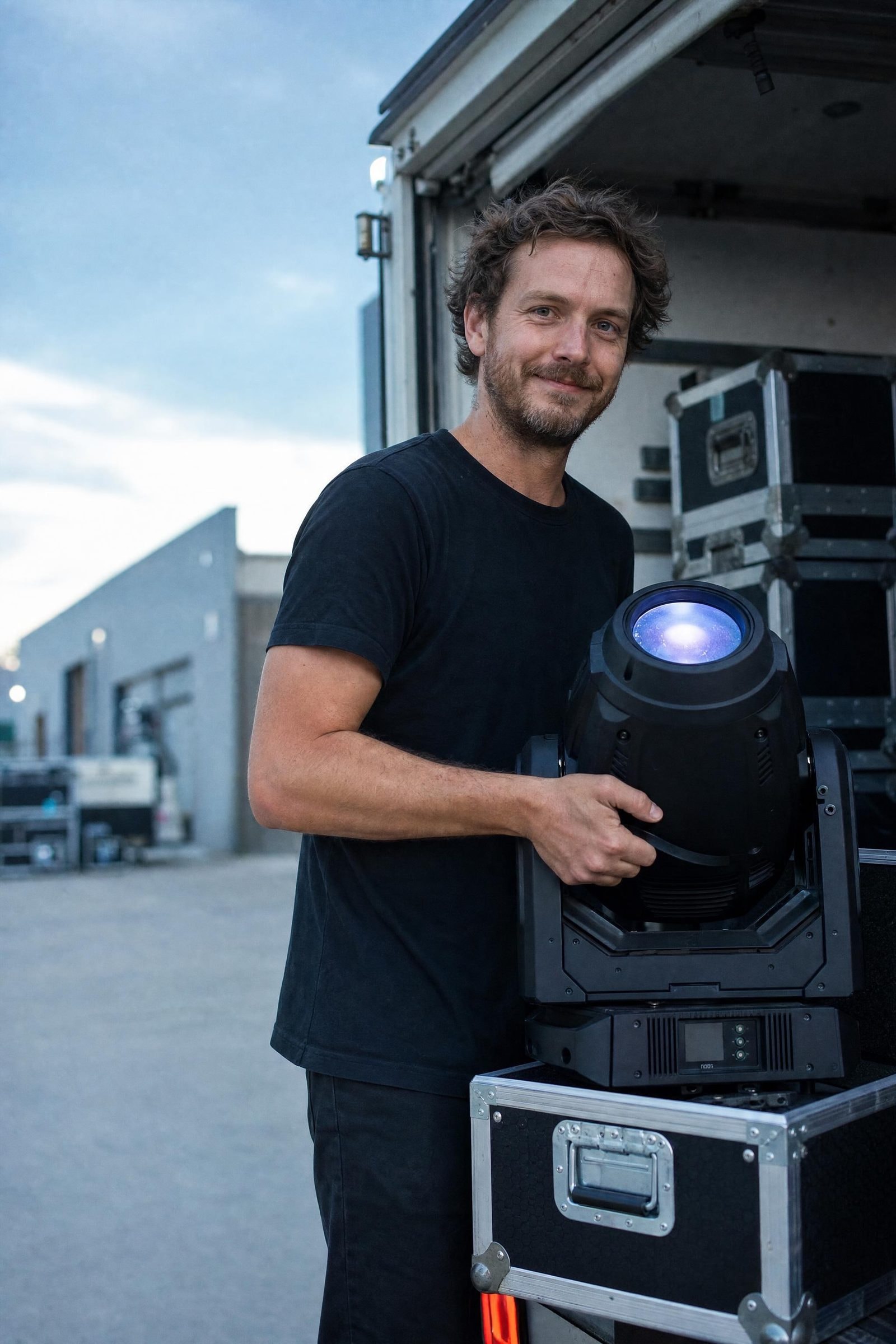
Rent the use, not the ownership
Operating leases for equipment you use but never want to own.
One fixed monthly payment, no residual exposure, and the asset goes back at term end. We compare rental structures across the panel and explain the fair wear and tear terms.
 340 client reviews


One broker from your first call through to funding.
See which operating lease options fit your business.
Tell us what you need. A Lyft Money broker compares 48+ lenders and explains the rate, fees and repayments before you decide.
Access to 21+ operating lease lenders
Lenders on our panel that fund operating lease.





















At a glance
Operating lease: the numbers that matter.
- Amount
- $10,000 – $2,000,000
- Term
- 12–60 months
- Indicative rates
- 7.5% – 15% p.a.
- Typical speed
- 2–5 business days
- Security
- Secured by the asset
- Repayments
- Monthly rental
Rates as at Q3 2026. See the rate history →
In plain English
What is an operating lease?
An operating lease is a rental agreement where the financier owns the asset, carries the residual value risk and leases it to your business for a fixed monthly payment over an agreed term. At the end you simply hand the asset back, with no residual to pay and no resale to manage.
The defining feature of an operating lease is where residual risk sits. Under a finance lease or chattel mortgage, if the asset is worth less than expected at term end, that shortfall is yours. Under an operating lease the financier sets the residual, takes the asset back and wears the difference. You pay a known monthly amount for a known period and then walk away, which makes budgeting genuinely simple.
That certainty suits assets that date quickly or are contract-bound: IT fleets, printers, forklifts, materials handling gear, some medical equipment and vehicles on three-year replacement cycles. It also suits businesses that would rather not have the asset on their balance sheet as a purchase and prefer the whole payment treated as an operating expense.
The costs to watch are at the end, not the start. Return conditions specify fair wear and tear, and excess kilometres, damage or missing accessories are charged back. Early termination is usually expensive because the financier has priced the whole term. Your broker reads the return conditions with you before you sign, since that is where operating leases surprise people.
A good fit when
Businesses replacing equipment on a fixed cycle who want no residual or resale exposure
Consider something else if
Long-life assets you intend to keep and own outright
Advantages
- No residual to pay and no resale risk at term end
- Fixed, predictable monthly cost
- Simple upgrade path onto newer equipment
Trade-offs
- You never build equity in the asset
- Return conditions can generate end-of-term charges
- Early termination is generally expensive


A clear next step
How to apply for an operating lease.
Our AI helps check lender fit across 48+ lenders. Your broker reviews the options and explains what they mean for you.
- 01
Match term to the cycle
How long you will genuinely use the asset, and expected hours or kilometres over that period.
- 02
Compare rentals and return terms
Your broker weighs monthly cost against the return conditions, because the cheapest rental is not always the cheapest lease.
- 03
Deliver, use, return
The financier buys the asset, you use it for the term, then return or upgrade it.
- ID and ABN
- Supplier quote with full specification
- Financials or bank statements depending on amount
The lender makes the final credit decision. Available options depend on your business and the lender’s assessment.
Before you make a decision
Estimate your operating lease repayments.
Know what lands and what leaves. Adjust the amount, rate and term to see the repayment and total cost.
- Number of repayments
- 48
- Total interest (est.)
- $15,960
- Total repaid (est.)
- $90,960
This calculator is a guide only. It uses simplified assumptions, excludes fees and charges unless stated, and is not an offer or quote. Actual repayments are confirmed by the lender in its loan contract.
From Lyft Money clients
Clear advice.
People who stay in touch.
Rated 5.0 from 340 Google reviews across the types of finance we arrange. Read them on Google.
“keeping us informed every step of the way”
“He explained all the financing options clearly”
“helped out my business”
What people finance with an operating lease
Lenders we compare for this
Banjo Loans, ScotPac, FlexiCommercial, Shift, Angle Asset Finance, Metro Finance, Pepper Money and others on our panel. See the full panel.
Key terms
What is an operating lease?
An operating lease is a rental of business equipment where the financier retains ownership and residual value risk. The business pays a fixed rental for the agreed term and returns the asset at the end, with no obligation to purchase it.
Operating lease vs finance lease
Under a finance lease the lessee guarantees the residual value and effectively carries the risk of the asset being worth less than expected. Under an operating lease the financier sets and carries that residual, so the lessee can return the asset with no further obligation.
What is fair wear and tear on a leased asset?
Fair wear and tear is the deterioration expected from normal use over the lease term, as defined in the return conditions. Damage, excess hours or kilometres and missing components fall outside it and are charged to the lessee when the asset is returned.
When does an operating lease make more sense than owning?
An operating lease suits assets you want to use but not own — typically technology that dates quickly, or equipment you replace on a fixed cycle. The financier retains ownership and residual risk, you pay for use over the term and hand the asset back at the end, often with fair wear and tear and usage conditions attached. It keeps replacement predictable, but you build no equity, and exceeding the agreed usage can trigger additional charges.
What is the difference between a finance lease and an operating lease?
With a finance lease you take on most of the risks and rewards of ownership: you are responsible for the residual value at the end, and you can end up owning the asset. With an operating lease you simply rent the asset for a term and hand it back, and the lessor carries the residual risk. Operating leases usually cost more per month but remove the end-of-term exposure, and often bundle maintenance. Finance leases suit assets that hold value; operating leases suit technology and vehicles that are replaced on a cycle.
How does an operating lease work?
Under an operating lease you rent the equipment for a fixed term at a fixed monthly payment and hand it back at the end. The lessor owns the asset, carries the resale risk and often bundles maintenance, servicing and sometimes insurance into the payment. There is no residual to pay and nothing to sell. It suits equipment you replace on a cycle, such as vehicles, IT, medical technology, forklifts and production or events gear, where predictability matters more than ownership.
What is the difference between an operating lease and a finance lease?
With an operating lease the lessor keeps the residual risk: you return the asset and walk away. With a finance lease you are responsible for the residual value at the end and usually end up owning or selling the asset. Operating lease payments are typically higher per month because the lessor carries that risk, but they include no end-of-term exposure and often include maintenance. Finance leases suit assets that hold value; operating leases suit assets you want to cycle.
What happens at the end of an operating lease?
You return the equipment in fair condition, allowing for normal wear and tear, and the lease ends. Most lessors offer three choices: return it and take new equipment on a fresh lease, extend the lease month to month or for a further term, or in some cases buy the asset at its market value. Excess wear, damage or, for vehicles, excess kilometres can attract charges, which is why the fair wear and tear terms are worth reading before you sign.
What is included in an operating lease payment?
The rental covers the lessor’s cost of the asset less its expected residual, plus their margin. Fully maintained operating leases add servicing, tyres, registration and sometimes insurance and replacement vehicles, so the business pays one known figure a month. Non-maintained leases cover the rental only. Your broker compares maintained and non-maintained options and shows what each includes.
Is an operating lease tax deductible and how is GST treated?
Operating lease payments are generally fully deductible as a business expense for the business-use portion, and GST is claimed on each monthly payment rather than upfront. Under the accounting standard AASB 16, businesses that report under it recognise most leases on the balance sheet; many small businesses use simplified reporting and are unaffected. Confirm the treatment with your accountant.
Can I end an operating lease early or upgrade mid-term?
Usually with a cost. Ending early means paying out the remaining rentals, sometimes at a discount, and returning the asset. Upgrading is often easier: the lessor terminates the old lease and starts a new one on the replacement equipment, rolling any early termination cost into it. Businesses that expect to upgrade before the end should choose a shorter term or a lessor with flexible upgrade terms, which your broker can identify.
What equipment suits an operating lease?
Anything with a well-understood resale market and a predictable replacement cycle: cars, utes and vans, forklifts and materials handling, IT hardware, medical imaging and diagnostic technology, audiovisual and events equipment, fitness equipment, and printing and office machinery. Highly specialised or custom equipment is harder to lease this way because the lessor cannot readily resell it.
How quickly can an operating lease be set up?
Two to five business days for most equipment, with the lessor buying the asset from your chosen supplier and leasing it to you. Fully maintained vehicle leases can take a little longer to price because servicing and running costs are built in. Your broker gathers the supplier quote and your requirements and compares lessors across the panel.
Your business. Your decision.
See your options.
Know the costs.
Decide with confidence.
One broker to explain it. Clear numbers before you proceed.
No obligation to proceed.