
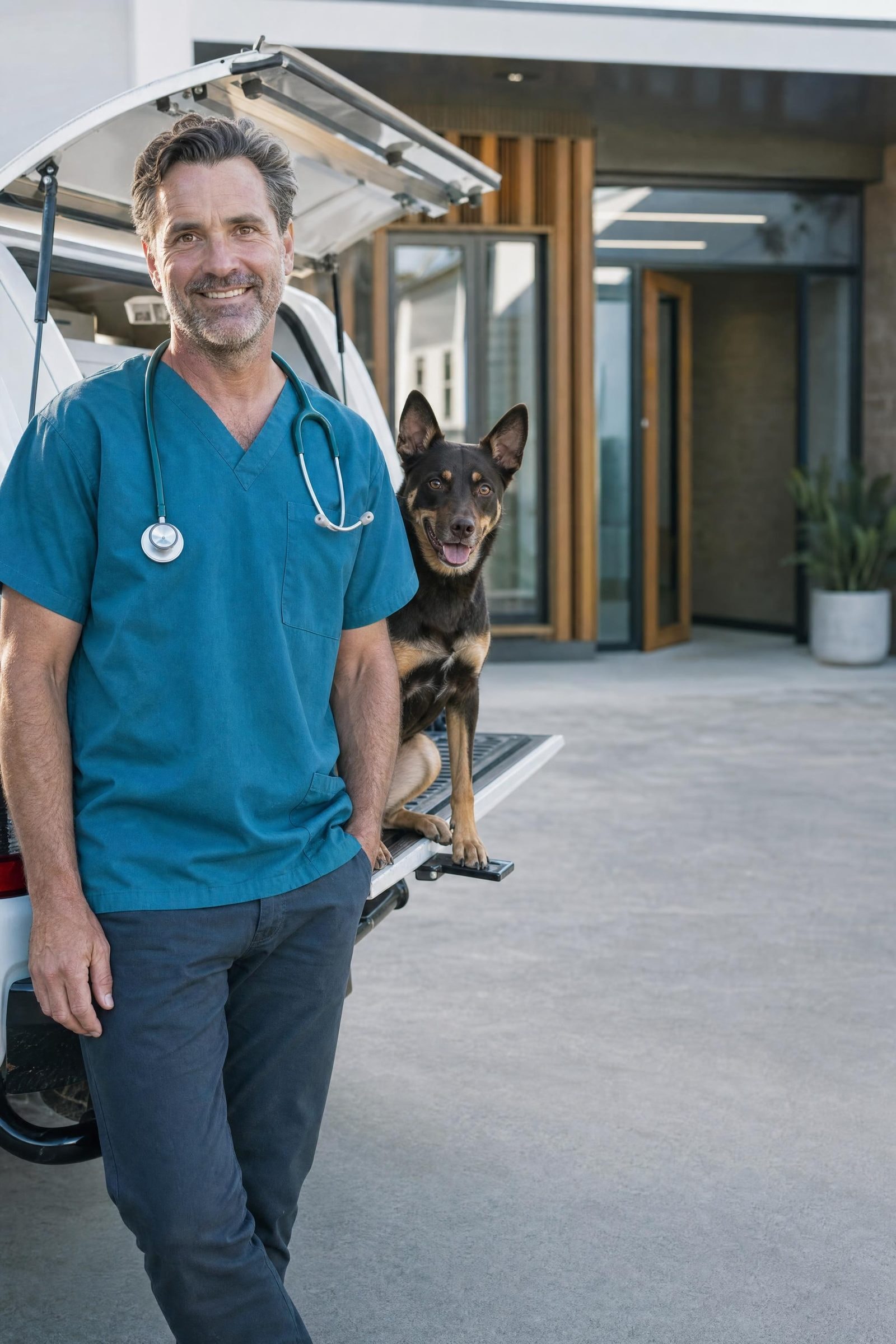
Industry guide
Finance for veterinary practices, shaped around how you get paid.
Vet clinics carry hospital-grade equipment on retail-scale revenue. Finance is what makes surgery suites, digital imaging and after-hours capability possible.
 340 client reviews


One broker from your first call through to funding.
See which options fit your business.
Tell us what you need. A Lyft Money broker who knows veterinary practices compares 48+ lenders and explains the rate, fees and repayments before you decide.
Access to 31+ veterinary practices lenders
Lenders on our panel that fund veterinary practices.






























At a glance
Veterinary practices: the numbers that matter.
- Typical amounts
- $10,000 – $2,000,000
- Typical speed
- 24–72 hours for low-doc within practice limits
- Indicative rates
- 6.6% – 13.5% p.a.
- Finance options
- 6 structures compared
- Lenders active here
- 2+ on our panel
- Assets we fund
- Veterinary equipment, Ultrasound machine, Ute and more
In plain English
Finance for veterinary practices: how it works.
Veterinary finance is lending for clinics and mobile practices, covering surgical and imaging equipment, hospital fit-outs, practice acquisitions and the vehicles used for large-animal and mobile work.
A general veterinary practice runs a consulting business and a small hospital at the same time. Anaesthetic machines, surgical tables, digital radiography, in-house pathology analysers, dental units and hospitalisation cages all have to be there whether or not they are used every day. Revenue is consultation-led and reasonably steady, but average transaction values are far below the human medical equivalent, so equipment has to be paid for out of volume rather than margin. That is why nearly all veterinary equipment in Australia is financed rather than bought outright.
Mixed and large-animal practices add a vehicle dimension: fitted-out utes and vans carrying drugs, portable ultrasound, crushes and equipment to farms across a region. Those vehicles cover serious distances and are working assets in their own right. The sector has also seen substantial corporate consolidation, which means independent practices are regularly bought and sold, and acquisition finance for a vet buying their own clinic — or buying back from a group — is a well-trodden path with lenders on our panel.
The cash-flow pattern we plan around
Steady consultation and procedure income paid at point of service, with occasional large equipment and hospital fit-out commitments and seasonal peaks around vaccination and calving.
What veterinary practices typically fund
- Surgical, anaesthetic and monitoring equipment
- Digital radiography and ultrasound
- In-house pathology analysers
- Clinic and hospital fit-out
- Fitted-out mobile and large-animal vehicles
Documents lenders usually ask for
- ABN and veterinary registration
- 6–12 months of bank statements or practice financials
- Equipment quote or vehicle and fit-out quote

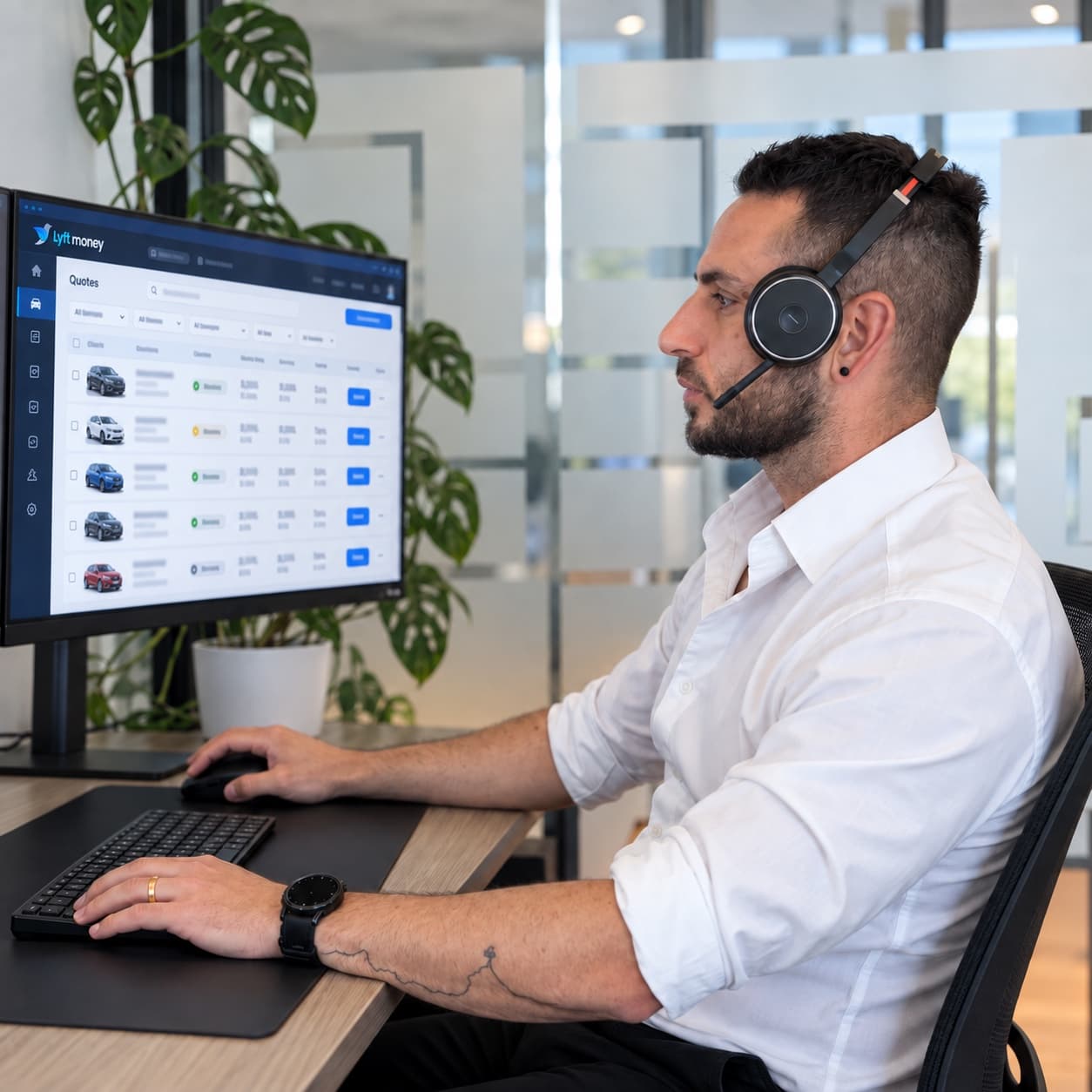

A clear next step
How to get finance for veterinary practices.
Our AI helps check lender fit across 48+ lenders. Your broker reviews the options and explains what they mean for you.
- 01
Quote and timeline
Supplier quote including installation and training, plus the expected delivery and commissioning dates.
- 02
Choose ownership or rental
Your broker compares chattel mortgage against operating lease based on the equipment’s replacement cycle.
- 03
Settle with a deferred start
The financier pays the supplier; repayments can be timed to begin once the equipment is billing.
The lender makes the final credit decision. Available options depend on your business and the lender’s assessment.
Before you make a decision
Estimate medical equipment finance repayments.
Know what lands and what leaves. Adjust the amount, rate and term to see the repayment and total cost.
- Number of repayments
- 48
- Total interest (est.)
- $13,564
- Total repaid (est.)
- $88,564
This calculator is a guide only. It uses simplified assumptions, excludes fees and charges unless stated, and is not an offer or quote. Actual repayments are confirmed by the lender in its loan contract.
From Lyft Money clients
Clear advice.
People who stay in touch.
Rated 5.0 from 340 Google reviews across the types of finance we arrange. Read them on Google.
“keeping us informed every step of the way”
“He explained all the financing options clearly”
“helped out my business”
Finance options for veterinary practices
Medical equipment finance
Digital radiography, ultrasound, anaesthetic machines and in-house haematology and biochemistry analysers are financed against the equipment over three to seven years. Analysers in particular are often sold with consumable agreements, so ask us to compare the finance-plus-consumables cost against a straight equipment loan with reagents bought separately — the bundled deal is not always the cheaper one.
Equipment loan
A great deal of clinic equipment is individually modest and collectively expensive: cages and hospitalisation runs, dental units, surgical lighting, autoclaves, microscopes, clipper and grooming gear, practice servers. Rather than paying for each replacement from cash, a single equipment loan covering a year’s worth of purchases gives you one repayment and keeps the buffer intact.
Fit-out finance
A veterinary hospital fit-out is more complex than a retail one: separate surgical and prep zones, isolation areas, imaging rooms with shielding, kennels with drainage and appropriate ventilation, and a reception that separates dogs from cats. Almost none of it is removable.
Business vehicle finance
Mixed and large-animal practices depend on fitted-out utes and vans — refrigerated drug storage, portable ultrasound, water tanks, crushes and headbails. Finance the vehicle and the fit-out together as one asset rather than paying for the canopy and fit-out from cash.
Unsecured business loan
Unsecured lending covers the gaps: a locum during parental leave, a drug and consumables stock-up, a tax liability, or the months between opening extra hours and those hours paying for themselves. It is quick, needs little documentation, and costs more than secured money.
Business acquisition finance
Corporate groups have bought heavily into Australian veterinary practice, which means clinics change hands often and independent vets regularly buy in or buy back. Acquisition finance is assessed on the clinic’s billings, client retention and the incoming vet’s registration and experience.
Assets we finance for veterinary practices
Lenders active in this space
Metro Finance, Angle Asset Finance — among others on our panel of 48+. Your broker checks fit before anything is submitted.
Key terms
Veterinary equipment finance
Veterinary equipment finance is secured lending for clinical equipment used in animal practice — surgical tables, anaesthetic machines, digital radiography, ultrasound and pathology analysers — typically written over three to seven years against the equipment.
Mobile practice vehicle finance
Mobile practice vehicle finance funds a vehicle and its veterinary fit-out as a single asset, covering the drug storage, portable diagnostics and handling equipment that make farm and after-hours visits possible.
Are vets eligible for professional finance packages?
Yes. Registered veterinarians are treated as health professionals by several lenders, which means equipment, fit-out, practice purchase and premises finance with little trading history, often no deposit and lighter documentation. Registration, a practice plan and a clean personal credit file are the key documents.
Can a whole veterinary hospital fit-out be financed?
Yes. Surgical and imaging equipment, kennels, cabinetry, flooring and building works can be funded under one facility with suppliers and the builder paid as the work progresses, repaid over five to seven years. Equipment is often financed separately at a sharper rate and combined in the same application.
Can I finance a vehicle for mobile or large-animal work?
Yes. Utes and vans fitted out for mobile and large-animal practice are financed as business vehicles with the fit-out included when quoted with the vehicle, and they are not subject to the car limit when built to carry a load. Registered vets are usually approved on low documentation.
Can I finance buying a veterinary practice?
Yes. Practice acquisition finance funds the purchase of an existing clinic or a buy-in against its billings and goodwill, often at a high proportion of the price for registered vets, with equipment and premises financed alongside. Lenders look at the clinic’s financials, client base and the vets staying on.
What medical and clinical equipment can be financed?
Almost any clinical asset: ultrasound and imaging, dental chairs and CAD/CAM systems, surgical and sterilisation equipment, veterinary diagnostic and surgical gear, physiotherapy and rehabilitation machines, optometry and audiology instruments, cosmetic lasers, practice management software and IT, and the clinic fit-out itself. New equipment from suppliers is the simplest; refurbished equipment from recognised dealers is financed by many lenders too.
What does a practice-friendly finance structure look like?
Several lenders offer structures built for practices: deferred first payments so the equipment starts earning before repayments begin, terms matched to the equipment’s clinical life, seasonal or stepped repayments for practices that are still building patient numbers, and pre-approved equipment limits for established practitioners. Medical, dental and veterinary professionals are treated as low-risk borrowers, so pricing and documentation are usually favourable.
Can I get low-doc finance as a doctor, dentist or vet?
Yes. Registered health practitioners are often eligible for low-doc or no-doc equipment finance up to practice limits, commonly $150,000 to $500,000 depending on the lender and profession, based on registration, time in practice and credit history rather than financials. Larger amounts and new practices provide recent financials or a business plan. Your broker knows which lenders run professional programs for each discipline.
Should I lease or buy medical equipment?
Buy with a chattel mortgage when the equipment will serve the practice for years and you want to own and depreciate it, such as dental chairs or sterilisers. Lease when the technology moves quickly and you expect to upgrade, such as imaging, lasers or IT, because a lease with a residual makes the upgrade cycle simpler. Your accountant advises on the tax outcome for your practice entity, and your broker structures either option.
Can I finance equipment for a new practice?
Yes. Lenders regularly fund new practices for registered practitioners with a track record as an employee or associate, because the profession itself gives them confidence. A business plan, the lease on the premises and evidence of qualifications are the main requirements, and the fit-out, equipment and working capital can be funded together as a package so the practice opens fully equipped.
Is medical equipment finance tax deductible?
Generally, yes. For a chattel mortgage the interest and the depreciation of the equipment are deductible, and GST on the purchase can usually be claimed on the next BAS. For a lease the rental payments are deductible and GST is claimed on each payment. Instant asset write-off rules may apply in some years. Confirm the treatment with your accountant, since practices are often run through companies or trusts with their own considerations.
Your business. Your decision.
See your options.
Know the costs.
Decide with confidence.
One broker to explain it. Clear numbers before you proceed.
No obligation to proceed.