
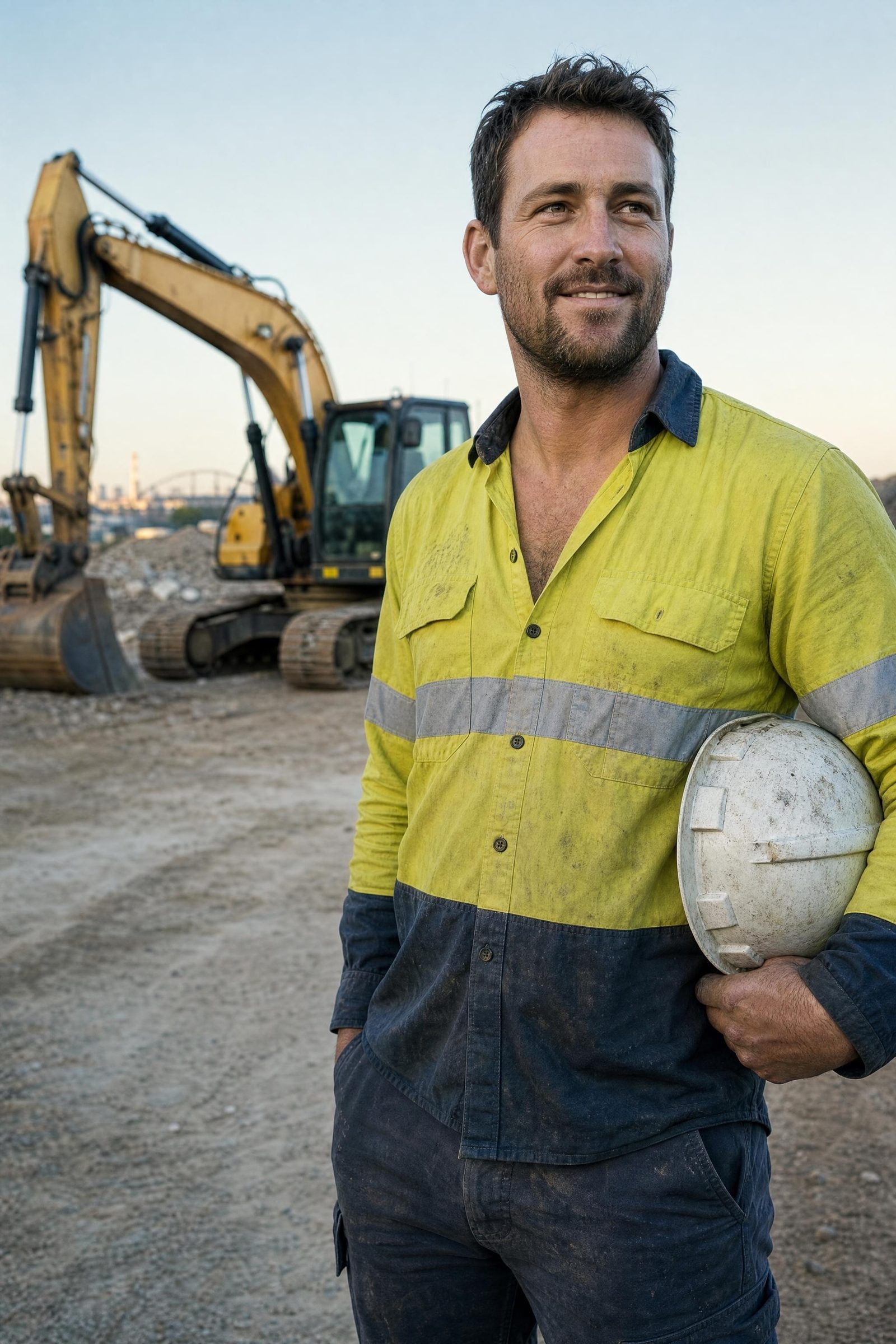
Simple secured finance for equipment
Equipment finance from 48+ lenders, explained before you decide.
Trucks, trailers, excavators, ovens, medical and IT equipment. Low-doc options for established businesses.
 340 client reviews


One broker from your first call through to funding.
See which equipment loan options fit your business.
Tell us what you need. A Lyft Money broker compares 48+ lenders and explains the rate, fees and repayments before you decide.
Access to 21+ equipment loan lenders
Lenders on our panel that fund equipment loans.



















At a glance
Equipment loan: the numbers that matter.
- Amount
- $5,000 – $5,000,000
- Term
- 12–84 months
- Indicative rates
- 6.9% – 16% p.a.
- Typical speed
- Same day to 48 hours for low-doc
- Security
- Secured by the asset
- Repayments
- Monthly
Rates as at Q3 2026. See the rate history →
In plain English
What is an equipment loan?
An equipment loan is a secured business loan used to buy machinery, vehicles or technology, with the equipment itself as security and fixed repayments over 1 to 7 years. It covers new and used assets from dealers or private sellers.
Equipment loans are the broad category covering chattel mortgages and similar secured structures. Lenders specialise: some are strong on trucks and yellow goods, others on hospitality fit-outs or medical equipment, and low-doc limits vary widely.
Lyft Money’s panel spans specialist and bank lenders so the structure, rate and documents match the asset and your trading history.
A good fit when
Any business buying income-producing equipment
Consider something else if
General working capital with no asset purchase
Advantages
- Secured pricing
- Low-doc pathways for established businesses
- New, used and private-sale assets
Trade-offs
- Asset is at risk if you default
- Older assets attract higher rates or shorter terms

A clear next step
How to apply for an equipment loan.
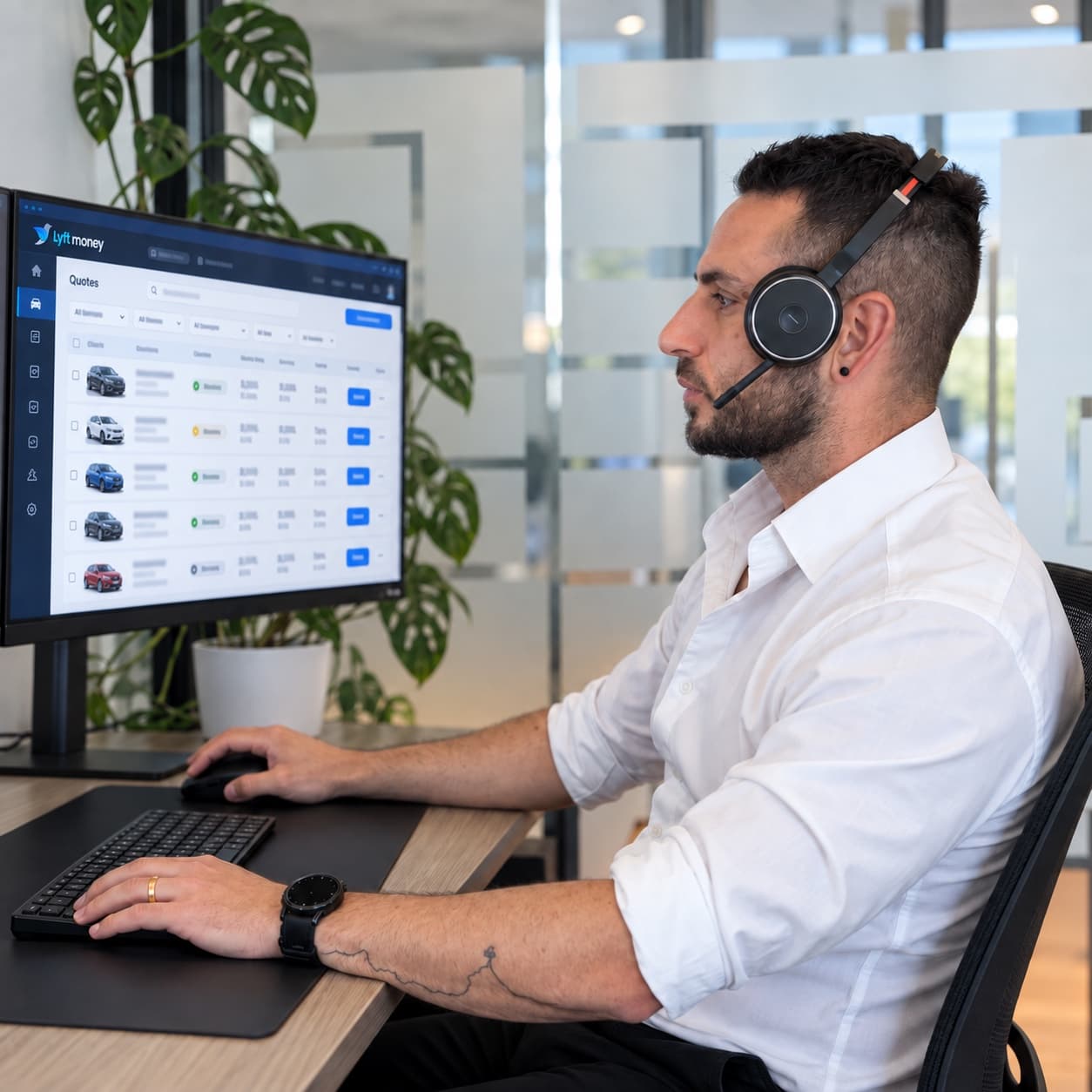
Our AI helps check lender fit across 48+ lenders. Your broker reviews the options and explains what they mean for you.
- 01
Asset and supplier details
Quote or invoice, asset age and condition.
- 02
Match the lender
Specialist vs bank, low-doc vs full-doc.
- 03
Settle
Funds paid to the supplier; you take delivery.
- ID and ABN
- Supplier invoice
- Bank statements or financials depending on amount
The lender makes the final credit decision. Available options depend on your business and the lender’s assessment.
Before you make a decision
Estimate your equipment loan repayments.
Know what lands and what leaves. Adjust the amount, rate and term to see the repayment and total cost.
- Number of repayments
- 48
- Total interest (est.)
- $15,443
- Total repaid (est.)
- $90,443
This calculator is a guide only. It uses simplified assumptions, excludes fees and charges unless stated, and is not an offer or quote. Actual repayments are confirmed by the lender in its loan contract.
From Lyft Money clients
Clear advice.
People who stay in touch.
Rated 5.0 from 340 Google reviews across the types of finance we arrange. Read them on Google.
“keeping us informed every step of the way”
“He explained all the financing options clearly”
“helped out my business”
Lenders we compare for this
Banjo Loans, ScotPac, FlexiCommercial, Shift, Angle Asset Finance, Metro Finance, Pepper Money and others on our panel. See the full panel.
Key terms
What is equipment finance?
Equipment finance is any loan or lease used to acquire business equipment, with the equipment typically serving as security. The main structures in Australia are chattel mortgages, finance leases and rentals.
Low-doc equipment finance
Low-doc equipment finance approves smaller amounts (often up to $150,000–$250,000) without full financials, relying on ABN age, GST registration, credit history and sometimes a property-owner declaration.
Are low-doc options available?
Yes, some lenders offer low-doc pathways. Low-doc does not mean no documents or automatic approval. The information required depends on your business, the amount and the lender. Your broker will explain what is needed.
Do I need a deposit for equipment finance?
Often no deposit is required, particularly for established businesses buying standard assets from a dealer. A deposit is more likely where the business is new, the asset is older or specialised, the credit profile is weaker, or the amount is large relative to turnover. Deposits typically range from around 10% to 30% in those cases. Putting money in reduces the amount financed and can improve the terms offered, but it is not always necessary.
Can I finance equipment I already own to release cash?
Yes, that is a sale and leaseback. You sell an unencumbered asset to a financier and lease or finance it back, receiving the sale proceeds as working capital while keeping the asset in use. Lenders will want proof you own it outright, a valuation, and evidence the funds are for a legitimate business purpose. It is a useful option when capital is tied up in plant, but it converts an owned asset into a monthly commitment, so the cash flow effect needs checking first.
How long can I finance equipment for?
Terms usually run from 12 to 84 months. The ceiling is generally set by the expected working life of the asset: heavy earthmoving and trucks often stretch to five or seven years, while IT hardware and point-of-sale systems are commonly kept to two or three. Lenders also look at the age of the asset at the end of the term, so a ten-year-old machine will attract a shorter term than a new one. Longer terms lower repayments and raise total interest.
Can one facility cover several pieces of equipment?
Yes. A master facility agreement lets a lender approve an overall limit, then draw down individual assets against it using a commitment schedule for each one. Each drawdown has its own term and repayment, but you avoid re-applying every time you buy. It suits businesses buying regularly through the year. Limits are usually reviewed annually and the lender can decline a particular asset even where the limit is available.
How long does my ABN need to be active?
It varies by lender and product. Many unsecured business lenders want at least six to twelve months of trading, while some asset finance lenders will consider a new ABN where the director has industry experience, a clean credit file and often property ownership or a deposit. Registration for GST is frequently expected once turnover reaches the threshold. A short ABN history is not an automatic decline, but it narrows the panel and usually affects the rate and structure offered.
Do I have to own property to get business finance?
No. Plenty of finance is written for non-property owners, especially asset finance where the equipment itself is the security, and unsecured lending assessed on cash flow. That said, property ownership widens the panel and often improves pricing, because it gives a lender an additional avenue if things go wrong. If you do not own property, expect more weight on trading history, bank conduct and the quality of the asset being financed.
Can a sole trader or partnership apply, or do I need a company?
Sole traders, partnerships, companies and trusts can all be considered. The entity type changes the paperwork rather than the availability of finance: a company application usually needs director details and ASIC records, a trust needs the trust deed, and a sole trader is assessed largely on personal credit alongside business performance. Guarantees are commonly required regardless of structure. Your accountant is the right person to advise which entity should own the asset for tax purposes.
What is a comparison rate and does it apply to business loans?
A comparison rate combines the interest rate with most standard fees into a single figure, so two loans can be compared on a like-for-like basis. It is required for consumer credit regulated by the NCCP Act, such as a personal car loan. Business and commercial lending is generally not regulated that way, so a comparison rate may not be quoted. For commercial finance, ask instead for the scheduled repayment, all fees and the total amount payable over the term.
What fees are normally charged on equipment finance?
The common ones are an establishment or documentation fee charged at settlement, a monthly account-keeping fee, and a PPSR registration fee for recording the lender's interest in the asset. A brokerage fee may also apply, which we disclose to you in writing before anything is submitted. Some agreements include an early termination or break cost. Fees vary by lender and are typically a modest part of total cost compared with the interest, but they should still be compared.
Your business. Your decision.
See your options.
Know the costs.
Decide with confidence.
One broker to explain it. Clear numbers before you proceed.
No obligation to proceed.