
Industry guide
Finance for tradies, shaped around how you get paid.
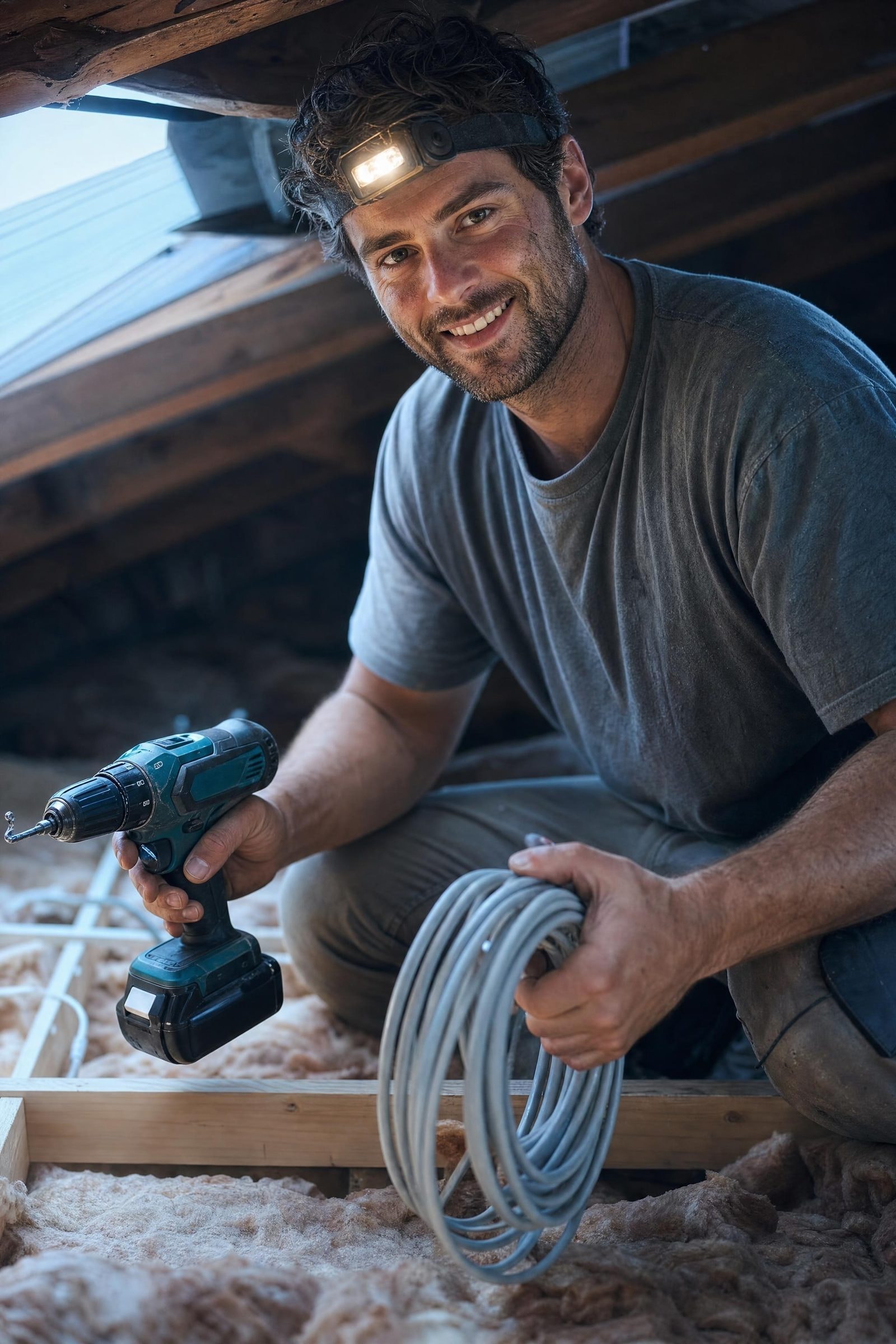
Tradies and contractors need finance that lands before the job and is repaid as progress claims and invoices clear. Utes, tools and cash-flow gaps between jobs are the usual triggers.
 340 client reviews


One broker from your first call through to funding.
See which options fit your business.
Tell us what you need. A Lyft Money broker who knows tradies compares 48+ lenders and explains the rate, fees and repayments before you decide.
Access to 33+ tradies lenders
Lenders on our panel that fund tradies.

































At a glance
Tradies: the numbers that matter.
- Typical amounts
- $10,000 – $2,000,000
- Typical speed
- 24–48 hours for low-doc up to $150k; longer for full-doc
- Indicative rates
- 6.9% – 14.5% p.a.
- Finance options
- 5 structures compared
In plain English
Finance for tradies: how it works.
Tradies and contractors need finance that lands before the job and is repaid as progress claims and invoices clear. Utes, tools and cash-flow gaps between jobs are the usual triggers.
How money moves for a tradie
The work comes first, the invoice comes next, and the money arrives last. Materials and wages go out weekly while a progress claim can take 30 to 60 days to land, so a good month on paper can still be a tight month in the bank. Finance for tradies is about two things: the gear that earns the money, and the gap between doing the work and being paid for it.
The good news is that tradies are one of the best-served industries on our panel. Utes, tools and plant hold their value, lenders know the trade, and low-doc options exist for sole traders and new ABNs.
What tradies can finance
- Ute finance and van finance, new or used, dealer or private sale, usually as a chattel mortgage
- Plant trailer finance and box trailers
- Tools and equipment through an equipment loan, from a mini excavator to a generator
- Unsecured business loans for materials, wages between claims or a quiet patch
- A business line of credit for contractors running several jobs at once
- Low-doc business loans when the financials are not ready yet
How it is usually structured
A ute or van goes on a chattel mortgage: you own it from day one, claim the GST upfront if you are registered, and a balloon keeps the monthly repayment in line with what the vehicle earns. Terms run three to seven years. Tools and plant follow the same idea, secured by the asset itself. Working capital is the opposite: short terms, weekly repayments matched to your invoice cycle, and the option to draw again when the next job starts.
What lenders look for
An ABN and your trade licence, six months of business bank statements and a supplier quote for whatever you are buying. Sole traders and new ABNs have a clear path too; see finance for sole traders and new businesses. Talk to a vehicle finance broker in Parramatta or across Sydney, and use the repayment calculator to size it up first.
The cash-flow pattern we plan around
A builder or subcontractor may wait 30–60 days for a progress claim while paying materials and wages weekly.
What tradies typically fund
- Ute or van
- Tools and equipment
- Cash flow between progress claims
- ATO and super catch-ups
Documents lenders usually ask for
- ABN and licence
- 6 months of bank statements
- Supplier quote for any asset



A clear next step
How to get finance for tradies.
Our AI helps check lender fit across 48+ lenders. Your broker reviews the options and explains what they mean for you.
- 01
Confirm the asset
Dealer or private sale, new or used, price and age of the asset.
- 02
Structure the loan
Term, deposit and balloon matched to cash flow and asset life.
- 03
Settle and collect
Lender pays the supplier directly; you take delivery.
The lender makes the final credit decision. Available options depend on your business and the lender’s assessment.
Before you make a decision
Estimate chattel mortgage repayments.
Know what lands and what leaves. Adjust the amount, rate and term to see the repayment and total cost.
- Number of repayments
- 48
- Total interest (est.)
- $14,415
- Total repaid (est.)
- $89,415
This calculator is a guide only. It uses simplified assumptions, excludes fees and charges unless stated, and is not an offer or quote. Actual repayments are confirmed by the lender in its loan contract.
From Lyft Money clients
Clear advice.
People who stay in touch.
Rated 5.0 from 340 Google reviews across the types of finance we arrange. Read them on Google.
“keeping us informed every step of the way”
“He explained all the financing options clearly”
“helped out my business”
Finance options for tradies
Chattel mortgage
For tradies a chattel mortgage is the default structure for a new or used ute: you own it from day one, claim the GST upfront if registered, and a balloon keeps the monthly repayment in line with what the vehicle earns..
Equipment loan
An equipment loan is a secured business loan used to buy machinery, vehicles or technology, with the equipment itself as security and fixed repayments over 1 to 7 years. It covers new and used assets from dealers or private sellers.
Unsecured business loan
Tradies often use an unsecured loan to bridge the gap between paying for materials and a progress claim clearing. Weekly repayments matched to invoice cycles work better than a large monthly debit..
Low-doc business loan
A low-doc business loan is finance assessed on bank statements, ABN history and credit record rather than full financial statements and tax returns. Low-doc does not mean no documents or automatic approval.
Business line of credit
A line of credit suits contractors with several jobs running: draw for materials on one job, repay when another pays, and keep the limit ready for the next..
Key terms
Business finance for tradies
Business finance for tradies covers vehicle and equipment loans plus short-term working-capital products sized to irregular, invoice-driven income.
How do tradies fund the gap between finishing a job and getting paid?
A business line of credit or overdraft is the usual answer: you draw on it to cover wages, materials and fuel while an invoice or progress claim is outstanding, then repay it when the client pays, with interest charged only on the days it is drawn. Tradies who invoice builders or commercial clients on 30 to 60 day terms can also use invoice finance, which advances most of each invoice within a day or two. Your broker matches the facility to how your work is billed.
Are low-doc options available?
Yes, some lenders offer low-doc pathways. Low-doc does not mean no documents or automatic approval. The information required depends on your business, the amount and the lender. Your broker will explain what is needed.
What documents will you need?
We start with a conversation about your business. To assess your options, lenders commonly need identification and recent business bank statements. Depending on the loan, they may also request BAS, financials or statements for existing debts. Your broker gives you a clear list for your situation.
What finance can a tradie get without full financials?
Most tradies with an ABN of two years or more can finance a ute, van, trailer or tools on low documentation, typically up to $400,000, with identification and a quote for the asset and no tax returns. Short-term unsecured loans and lines of credit are approved from six to twelve months of business bank statements. Larger amounts and property lending use financials. Lyft Money matches the paperwork to what you actually have before anything is submitted.
Can I finance my tools and equipment as well as the ute?
Yes. Tools and equipment with a resale value, such as compressors, generators, laser levels, trailers and larger power tools, can be financed on a chattel mortgage, and many lenders will bundle a tools package with the vehicle or trailer. Small hand tools are usually better bought from cash flow or a line of credit. Your broker structures the vehicle, trailer and gear so the whole kit settles together.
I have just gone out on my own. Can I still get finance?
Usually, yes. Lenders look at your trade experience as an employee or subcontractor, a deposit or property ownership and your credit history when the ABN is new, and several specialise in funding new tradie businesses for a ute and tools. The first purchase is often the vehicle, financed on low documentation, with working capital added once six months of trading shows in the bank statements. Lyft Money checks fit across the panel so you are not declined for being new.
Do I need a deposit for equipment finance?
Often no deposit is required, particularly for established businesses buying standard assets from a dealer. A deposit is more likely where the business is new, the asset is older or specialised, the credit profile is weaker, or the amount is large relative to turnover. Deposits typically range from around 10% to 30% in those cases. Putting money in reduces the amount financed and can improve the terms offered, but it is not always necessary.
What fees are normally charged on equipment finance?
The common ones are an establishment or documentation fee charged at settlement, a monthly account-keeping fee, and a PPSR registration fee for recording the lender's interest in the asset. A brokerage fee may also apply, which we disclose to you in writing before anything is submitted. Some agreements include an early termination or break cost. Fees vary by lender and are typically a modest part of total cost compared with the interest, but they should still be compared.
How large a balloon can I set?
Lenders publish maximum residual or balloon percentages that fall as the term lengthens, because the asset is worth less at the end of a longer term. For a vehicle, a common pattern is up to roughly 50% on a two-year term, reducing to around 20% to 30% on a five-year term. The ATO also sets minimum residual values for finance leases. A larger balloon lowers monthly repayments but increases total interest and leaves a lump sum to deal with at the end.
Is hire purchase still used in Australia?
It is far less common than it once was. Under hire purchase the financier owns the asset and you hire it, with ownership transferring automatically after the final instalment. Since the GST changes that made chattel mortgage more attractive for businesses accounting on a cash basis, most equipment lending is written as a chattel mortgage or lease instead. Some lenders still offer commercial hire purchase, and your accountant can advise whether it suits your circumstances.
Your business. Your decision.
See your options.
Know the costs.
Decide with confidence.
One broker to explain it. Clear numbers before you proceed.
No obligation to proceed.