
Trucks
Tipper truck finance from 48+ Australian lenders.
Tippers earn per load, so the finance has to sit inside the cartage rate. We structure the term around the work rather than the sticker price.
 340 client reviews


One broker from your first call through to funding.
See which tipper truck finance options fit your business.
Tell us what you are buying. A Lyft Money broker compares 48+ lenders and explains the rate, balloon, fees and total cost before you decide.
Access to 21+ tipper truck finance lenders
Lenders on our panel that fund tipper truck finance.





















At a glance
Tipper truck finance: the numbers that matter.
- Typical price
- $60,000 – $400,000
- Terms
- Up to 84 months
- Indicative rates
- 6.9% – 14.5% p.a.
- Typical speed
- 24–48 hours for low-doc up to $150k; longer for full-doc
- Usual structure
- Chattel mortgage
- Useful life
- About 15 years
In plain English
What is tipper truck finance?
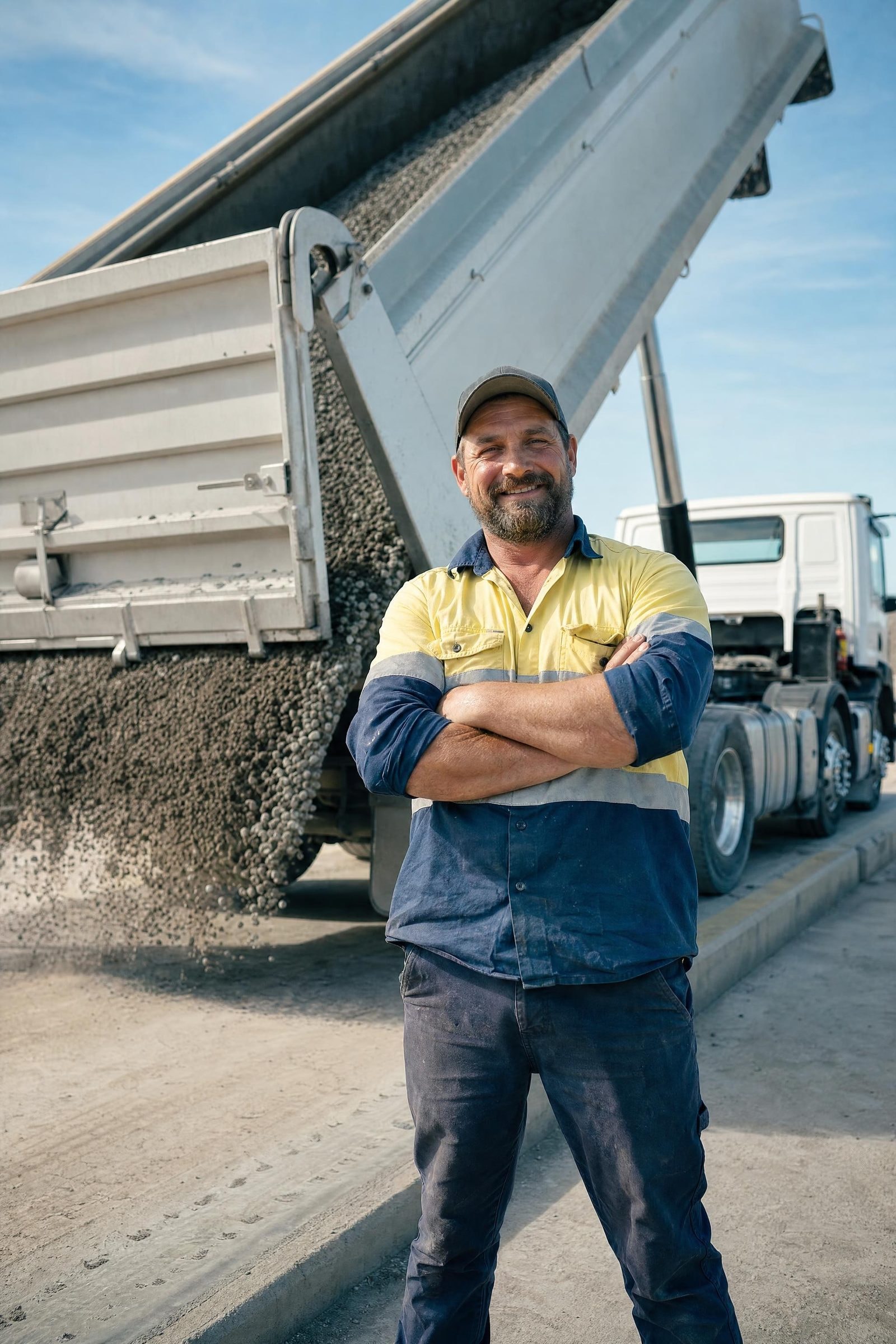
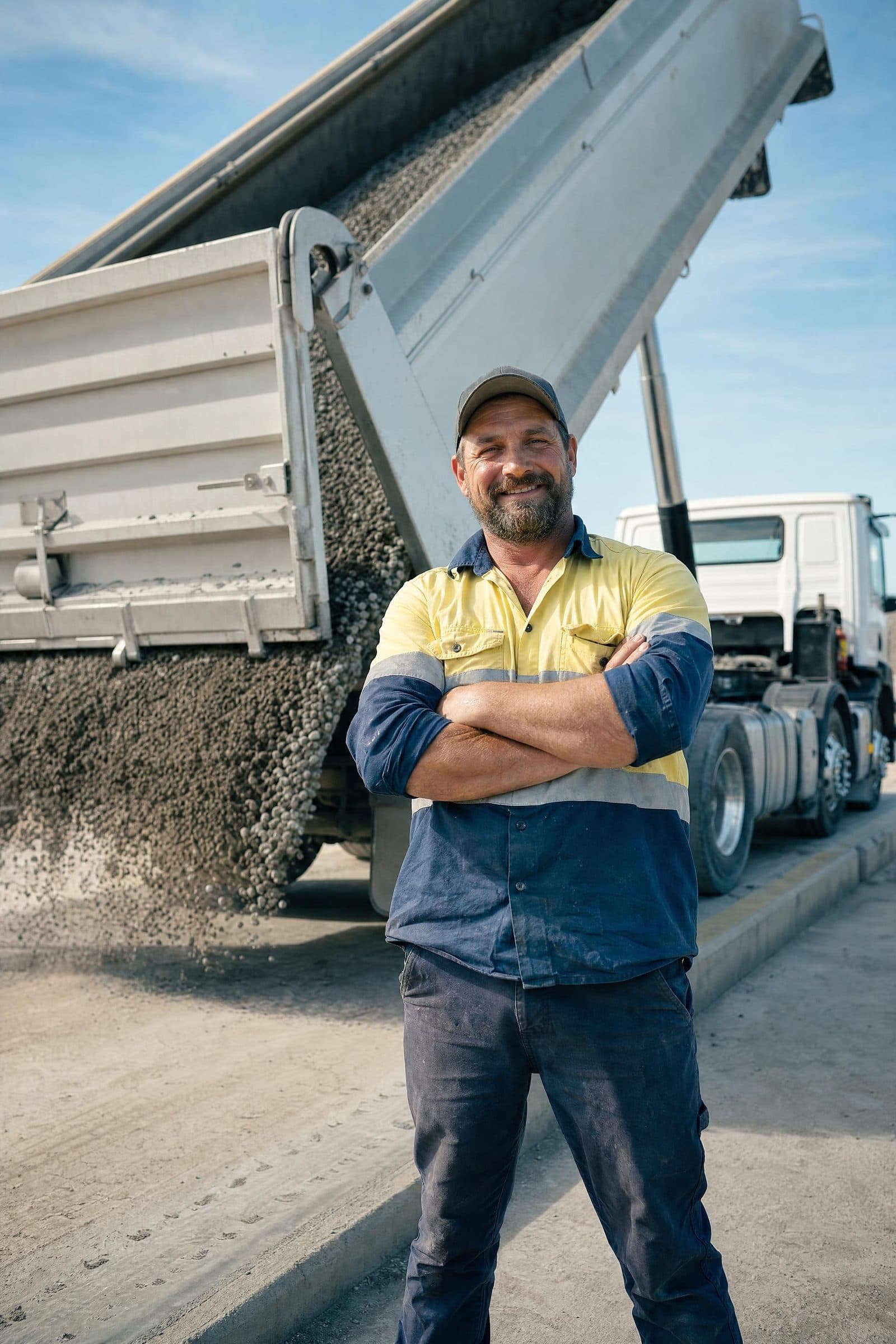
Tipper truck finance is funding for a truck with a hydraulic tipping body used to cart soil, sand, aggregate and demolition waste, secured against the vehicle. Tippers are the standard cartage asset for Australian civil and landscaping businesses, and lenders regard them as mainstream with reliable resale.
Tipper work in Australia divides roughly into three tiers. Light tippers on a car-licence cab chassis suit landscapers and small builders moving a few tonnes at a time. Six and eight wheelers do suburban civil cartage and spoil removal. Truck and dog combinations carry the biggest legal payload on a single driver and are where the serious cartage margins sit, though the capital cost roughly doubles.
Whichever tier you buy into, the finance question is the same: how many loads a week does this truck need to do to cover its repayment, and is that realistic given the work you have? Tippers are often bought on the strength of a subdivision or civil contract, so aligning the term with the contract, or leaving a balloon at the point the contract ends, gives you options if the work changes.
How lenders assess tipper truck finance
Tipper trucks are financed by most panel lenders on standard terms for established operators. Because tippers work hard in abrasive conditions, lenders pay attention to chassis rust, body condition and hoist function when valuing used units. Bodies built after purchase can be included on the same contract with the right invoicing. Truck and dog combinations are often financed as two contracts — truck and trailer — or one bundled facility. Age limits usually require the truck to be under 15 years at the end of the term.
New or used
Used tippers are abundant, especially in the 8 and 10 wheeler classes; new light tippers on Japanese cab chassis are a common first purchase for landscapers.
Before you buy
- Inspect the hoist, sub-frame and body pivot pins carefully; a tired hoist is a large and disruptive repair.
- Check the tare weight — every kilogram of body weight is a kilogram of payload you cannot carry and bill for.
- Confirm the tailgate configuration suits your work: a two-way or grain door setup handles very different loads to a standard barn door.
Commonly financed
- Isuzu FVZ 260-300 8x4
- Hino 500 Series FM 2628
- Kenworth T359 tipper
- Fuso Fighter 1627
- Iveco Acco 8x4



A clear next step
How to finance a tipper truck.
Our AI helps check lender fit across 48+ lenders. Your broker reviews the options and explains what they mean for you.
- 01
Confirm the asset
Dealer or private sale, new or used, price and age of the asset.
- 02
Structure the loan
Term, deposit and balloon matched to cash flow and asset life.
- 03
Settle and collect
Lender pays the supplier directly; you take delivery.
- ID and ABN
- Invoice or quote for the asset
- Bank statements or financials depending on amount
The lender makes the final credit decision. Available options depend on your business and the lender’s assessment.
Before you make a decision
Estimate your tipper truck repayments.
Adjust the price, rate, term and balloon to see the repayment and the total cost over the term.
- Number of repayments
- 60
- Balloon at end of term
- $46,000
- Total interest (est.)
- $65,107
- Total repaid (est.)
- $295,107
This calculator is a guide only. It uses simplified assumptions, excludes fees and charges unless stated, and is not an offer or quote. Actual repayments are confirmed by the lender in its loan contract.
From Lyft Money clients
Clear advice.
People who stay in touch.
Rated 5.0 from 340 Google reviews across the types of finance we arrange. Read them on Google.
“keeping us informed every step of the way”
“He explained all the financing options clearly”
“helped out my business”
Ways to finance a tipper truck
Key terms
What is tipper truck finance?
Tipper truck finance is a secured loan or lease used to buy a truck with a hydraulic tipping body, with the vehicle as security. Terms typically run 48 to 84 months and the tipper body can be funded with the cab chassis on one contract.
What is a truck and dog?
A truck and dog is a tipper truck towing a dog trailer, which has both a steerable front axle group and rear axles. The combination carries a much larger payload than a rigid tipper alone and is common in Australian quarry and civil cartage.
Can a new business finance a tipper truck?
Yes, with the right lender. New ABNs usually need a deposit of 10 to 20 per cent, a clean personal credit file and evidence of work such as a cartage agreement or a trade background. Established businesses are commonly approved low-doc with no deposit. A used tipper within age limits is a common first truck.
Can I finance a truck and dog combination?
Yes. A tipper and dog trailer can be financed together on one contract or on two contracts with terms matched to each asset. Lenders like the combination because truck-and-dog work on civil and quarry jobs is steady, and the trailer holds its value well. Include the dog on the quote if you are buying both.
Can the tipping body be financed with the cab chassis?
Yes. Steel or alloy tipping bodies, hoists, tarps and tailgates can be included on the same contract when quoted with the truck, and body builders’ invoices are combined with the dealer’s into one approval. Financing the body with the truck is cheaper than a separate small loan.
How do lenders treat used tippers?
Well, provided the truck is within age and kilometre limits, typically under about 12 to 15 years at the end of the term. Lenders look at the chassis and body condition, kilometres, engine hours and service history. Auction and private purchases are accepted with a PPSR clearance and inspection.
Do I need a deposit for equipment finance?
Often no deposit is required, particularly for established businesses buying standard assets from a dealer. A deposit is more likely where the business is new, the asset is older or specialised, the credit profile is weaker, or the amount is large relative to turnover. Deposits typically range from around 10% to 30% in those cases. Putting money in reduces the amount financed and can improve the terms offered, but it is not always necessary.
What fees are normally charged on equipment finance?
The common ones are an establishment or documentation fee charged at settlement, a monthly account-keeping fee, and a PPSR registration fee for recording the lender's interest in the asset. A brokerage fee may also apply, which we disclose to you in writing before anything is submitted. Some agreements include an early termination or break cost. Fees vary by lender and are typically a modest part of total cost compared with the interest, but they should still be compared.
How large a balloon can I set?
Lenders publish maximum residual or balloon percentages that fall as the term lengthens, because the asset is worth less at the end of a longer term. For a vehicle, a common pattern is up to roughly 50% on a two-year term, reducing to around 20% to 30% on a five-year term. The ATO also sets minimum residual values for finance leases. A larger balloon lowers monthly repayments but increases total interest and leaves a lump sum to deal with at the end.
Is hire purchase still used in Australia?
It is far less common than it once was. Under hire purchase the financier owns the asset and you hire it, with ownership transferring automatically after the final instalment. Since the GST changes that made chattel mortgage more attractive for businesses accounting on a cash basis, most equipment lending is written as a chattel mortgage or lease instead. Some lenders still offer commercial hire purchase, and your accountant can advise whether it suits your circumstances.
What is PPSR registration and why does the lender do it?
The Personal Property Securities Register is the national register of security interests in personal property, including vehicles and equipment. When a lender finances an asset, it registers its interest so the security is publicly recorded and its priority is protected if the asset is sold or the business fails. It also means a buyer searching the register will see the finance. The registration is released once the contract is paid out, and a small registration fee is usually passed on to you.
How does a balloon payment work on a chattel mortgage?
A balloon is a lump sum left to pay at the end of a chattel mortgage, which lowers the regular repayments during the term. For example, a 30 per cent balloon on a $100,000 vehicle leaves $30,000 to pay at the end, so the monthly amount is calculated on $70,000 plus interest on the full balance. Balloons are commonly set between 0 and 40 per cent depending on the asset and term, and at the end you can pay it out, refinance it or sell the asset to clear it. A balloon reduces monthly cost but increases total interest, so your broker shows both figures side by side.
Your business. Your decision.
See your options.
Know the costs.
Decide with confidence.
One broker to explain it. Clear numbers before you proceed.
No obligation to proceed.