
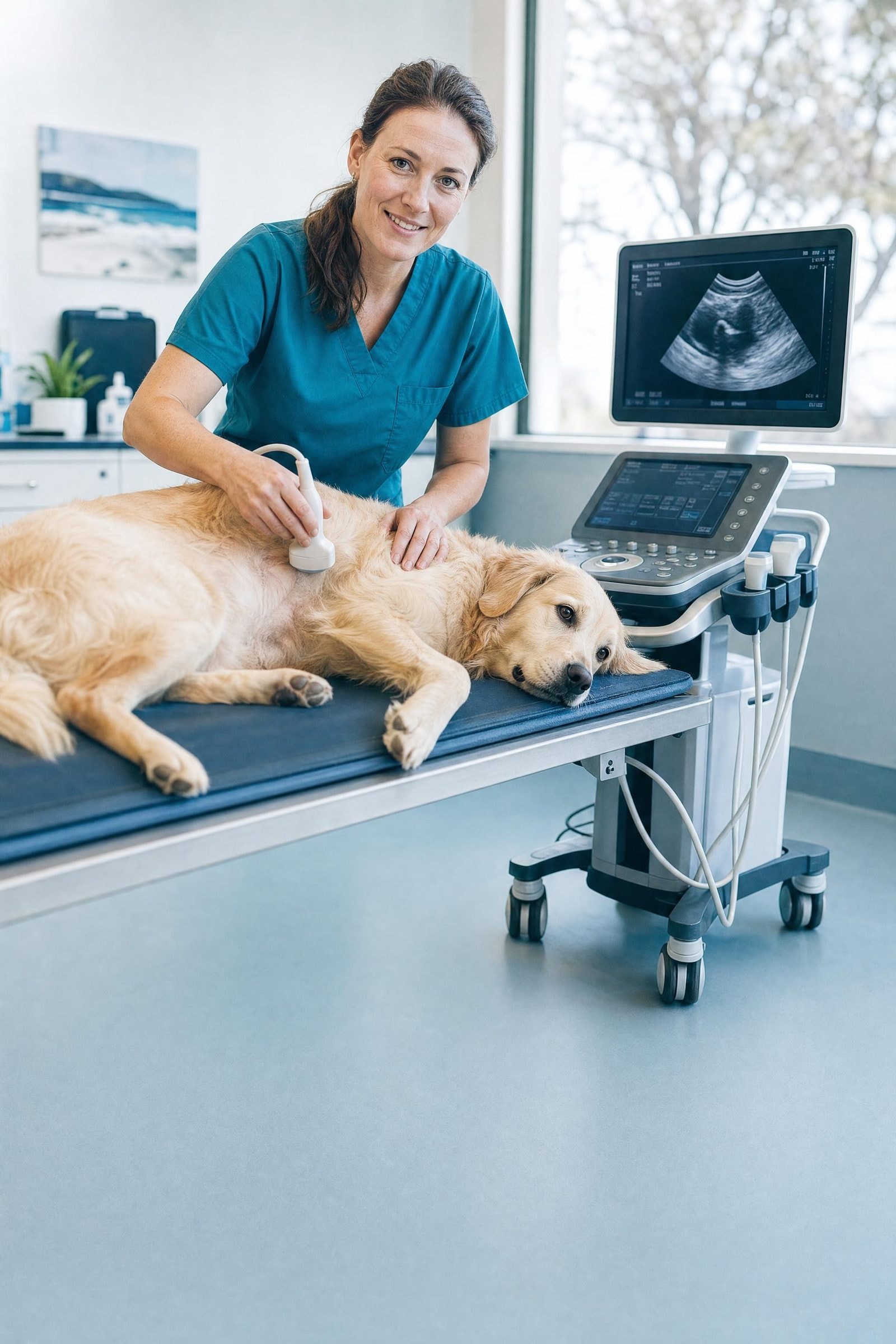
Finance built around practice cash flow
Equipment finance for medical, dental, veterinary and allied health practices.
Practice-friendly structures with deferred starts and terms matched to equipment life. Your broker explains the tax treatment and total cost first.
 340 client reviews


One broker from your first call through to funding.
See which medical equipment finance options fit your business.
Tell us what you need. A Lyft Money broker compares 48+ lenders and explains the rate, fees and repayments before you decide.
Access to 21+ medical equipment finance lenders
Lenders on our panel that fund medical equipment finance.





















At a glance
Medical equipment finance: the numbers that matter.
- Amount
- $10,000 – $2,000,000
- Term
- 12–84 months
- Indicative rates
- 6.6% – 13.5% p.a.
- Typical speed
- 24–72 hours for low-doc within practice limits
- Security
- Secured by the asset
- Repayments
- Monthly
Rates as at Q3 2026. See the rate history →
In plain English
What is medical equipment finance?
Medical equipment finance is asset-backed lending for clinical and diagnostic equipment such as dental chairs, imaging systems, ultrasound units and aesthetic lasers. Lenders treat healthcare practices as low-risk borrowers, so pricing and documentation requirements are often more favourable than for other industries.
Lenders like healthcare. Practice revenue is recurring, largely insulated from economic cycles, and underpinned by professional qualifications that cannot easily disappear. That translates into practical benefits: higher low-doc limits than a comparable trade business, sharper rates, and lenders willing to fund a graduate practitioner with limited trading history but a strong professional record.
Clinical equipment has its own funding quirks. Installation, commissioning, training and software licences are often a large share of the total invoice, and not every financier funds the non-hardware portion. Delivery lead times of three to six months are common on imaging and surgical equipment, so structures with deferred first payments — starting repayments once the equipment is installed and billing — are widely available and worth asking for.
Structure choice usually turns on replacement cycles. A dental chair may serve fifteen years and suits a chattel mortgage with ownership. A diagnostic imaging system tied to a technology roadmap may suit an operating lease so the practice is not left holding obsolete hardware. Your broker prices both and shows the after-tax difference rather than assuming ownership is always better.
A good fit when
Medical, dental, veterinary, allied health and specialist practices acquiring clinical equipment
Consider something else if
Non-clinical business costs such as goodwill or working capital, which need different products
Advantages
- Healthcare borrowers attract sharper pricing and higher low-doc limits
- Deferred first payments align repayments with installation
- Installation, training and software can often be included
Trade-offs
- Specialised equipment has a narrow resale market
- Technology obsolescence risk on diagnostic and imaging systems
- Not every lender funds the non-hardware portion of the invoice


A clear next step
How to apply for medical equipment finance.
Our AI helps check lender fit across 48+ lenders. Your broker reviews the options and explains what they mean for you.
- 01
Quote and timeline
Supplier quote including installation and training, plus the expected delivery and commissioning dates.
- 02
Choose ownership or rental
Your broker compares chattel mortgage against operating lease based on the equipment’s replacement cycle.
- 03
Settle with a deferred start
The financier pays the supplier; repayments can be timed to begin once the equipment is billing.
- AHPRA registration and practice ABN
- Supplier quote with installation and training itemised
- Practice financials or bank statements depending on the amount
The lender makes the final credit decision. Available options depend on your business and the lender’s assessment.
Before you make a decision
Estimate your medical equipment finance repayments.
Know what lands and what leaves. Adjust the amount, rate and term to see the repayment and total cost.
- Number of repayments
- 48
- Total interest (est.)
- $13,564
- Total repaid (est.)
- $88,564
This calculator is a guide only. It uses simplified assumptions, excludes fees and charges unless stated, and is not an offer or quote. Actual repayments are confirmed by the lender in its loan contract.
From Lyft Money clients
Clear advice.
People who stay in touch.
Rated 5.0 from 340 Google reviews across the types of finance we arrange. Read them on Google.
“keeping us informed every step of the way”
“He explained all the financing options clearly”
“helped out my business”
What people finance with medical equipment finance
Lenders we compare for this
Banjo Loans, ScotPac, FlexiCommercial, Shift, Angle Asset Finance, Metro Finance, Pepper Money and others on our panel. See the full panel.
Key terms
What is medical equipment finance?
Medical equipment finance is asset-backed lending used by healthcare practices to acquire clinical, diagnostic and treatment equipment. The equipment secures the facility, structured as a chattel mortgage, finance lease or operating lease over one to seven years.
Can a new practice finance equipment?
Often yes. Lenders weigh professional registration, specialty and employment history heavily for healthcare borrowers, so a newly established practice with a well-credentialled principal can access equipment finance that a comparable non-medical startup could not.
What is a deferred payment structure?
A deferred payment structure delays the first repayment for an agreed period, commonly three to six months, so repayments begin once the equipment is installed, commissioned and generating billings rather than at the point of order.
Is medical equipment finance tax deductible?
Generally, yes. For a chattel mortgage the interest and the depreciation of the equipment are deductible, and GST on the purchase can usually be claimed on the next BAS. For a lease the rental payments are deductible and GST is claimed on each payment. Instant asset write-off rules may apply in some years. Confirm the treatment with your accountant, since practices are often run through companies or trusts with their own considerations.
What medical and clinical equipment can be financed?
Almost any clinical asset: ultrasound and imaging, dental chairs and CAD/CAM systems, surgical and sterilisation equipment, veterinary diagnostic and surgical gear, physiotherapy and rehabilitation machines, optometry and audiology instruments, cosmetic lasers, practice management software and IT, and the clinic fit-out itself. New equipment from suppliers is the simplest; refurbished equipment from recognised dealers is financed by many lenders too.
What does a practice-friendly finance structure look like?
Several lenders offer structures built for practices: deferred first payments so the equipment starts earning before repayments begin, terms matched to the equipment’s clinical life, seasonal or stepped repayments for practices that are still building patient numbers, and pre-approved equipment limits for established practitioners. Medical, dental and veterinary professionals are treated as low-risk borrowers, so pricing and documentation are usually favourable.
Can I get low-doc finance as a doctor, dentist or vet?
Yes. Registered health practitioners are often eligible for low-doc or no-doc equipment finance up to practice limits, commonly $150,000 to $500,000 depending on the lender and profession, based on registration, time in practice and credit history rather than financials. Larger amounts and new practices provide recent financials or a business plan. Your broker knows which lenders run professional programs for each discipline.
Should I lease or buy medical equipment?
Buy with a chattel mortgage when the equipment will serve the practice for years and you want to own and depreciate it, such as dental chairs or sterilisers. Lease when the technology moves quickly and you expect to upgrade, such as imaging, lasers or IT, because a lease with a residual makes the upgrade cycle simpler. Your accountant advises on the tax outcome for your practice entity, and your broker structures either option.
Can I finance equipment for a new practice?
Yes. Lenders regularly fund new practices for registered practitioners with a track record as an employee or associate, because the profession itself gives them confidence. A business plan, the lease on the premises and evidence of qualifications are the main requirements, and the fit-out, equipment and working capital can be funded together as a package so the practice opens fully equipped.
Can I finance refurbished or second-hand medical equipment?
Yes, within limits. Refurbished equipment from recognised suppliers with a warranty is financed by many lenders, and private-sale equipment from another practice can be financed with a valuation. Lenders set age limits based on the equipment’s clinical and technological life, so a five-year-old ultrasound is treated differently from a five-year-old dental chair. Your broker checks eligibility before you commit to a purchase.
How quickly can practice equipment be approved?
Within practice limits, approvals are often the same day or within 24 to 72 hours for registered practitioners, and settlement follows as soon as the supplier invoice is in. Larger amounts and new practices take a few days more. Suppliers often quote installation dates months out, so approval can be arranged early and settled on delivery.
Can a whole dental surgery fit-out be financed with the chairs?
Yes. Chairs, delivery units, cabinetry, sterilisation, imaging, compressors and suction can be financed together under one contract or a master facility, and installation and fit-out costs can usually be included when quoted by the supplier. Lenders like dental practices, so terms of five to seven years and no deposit are common for established practitioners.
Can a newly registered dentist finance equipment?
Yes. Several lenders offer professional packages for dentists and other registered health practitioners, funding equipment and even practice purchases with little or no trading history because the profession’s income is reliable. AHPRA registration, a practice plan and a clean personal credit file are the key documents.
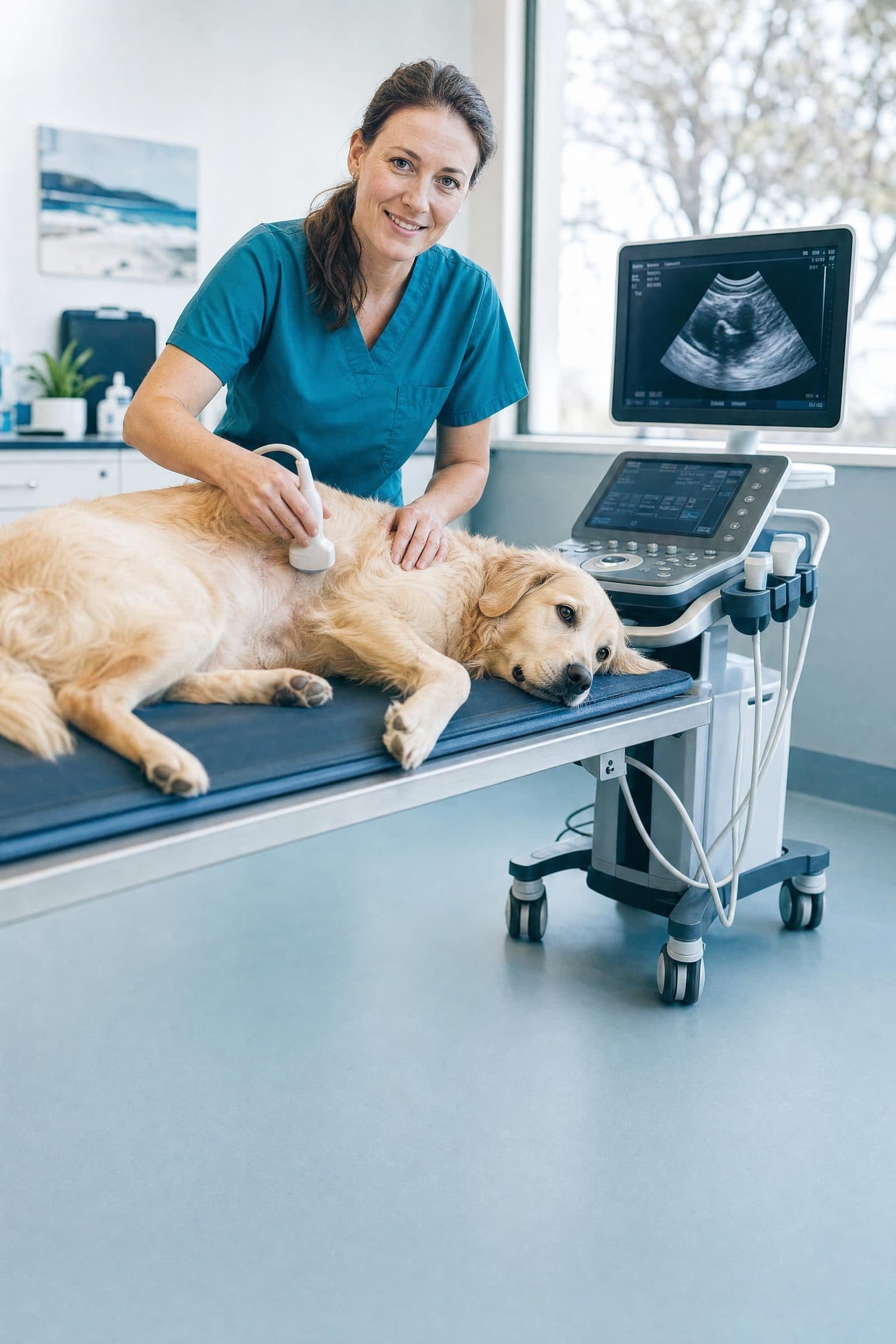
Your business. Your decision.
See your options.
Know the costs.
Decide with confidence.
One broker to explain it. Clear numbers before you proceed.
No obligation to proceed.