
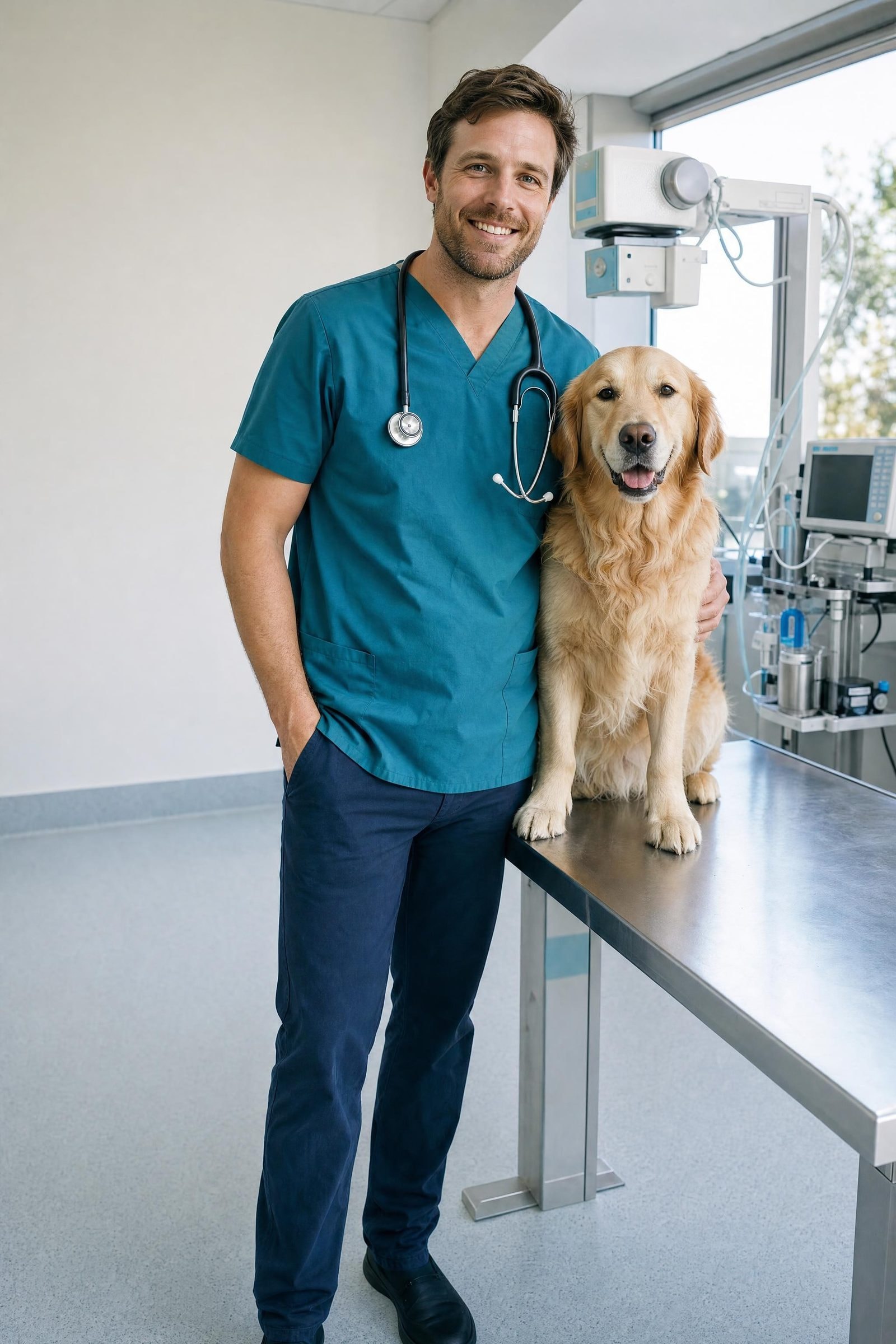
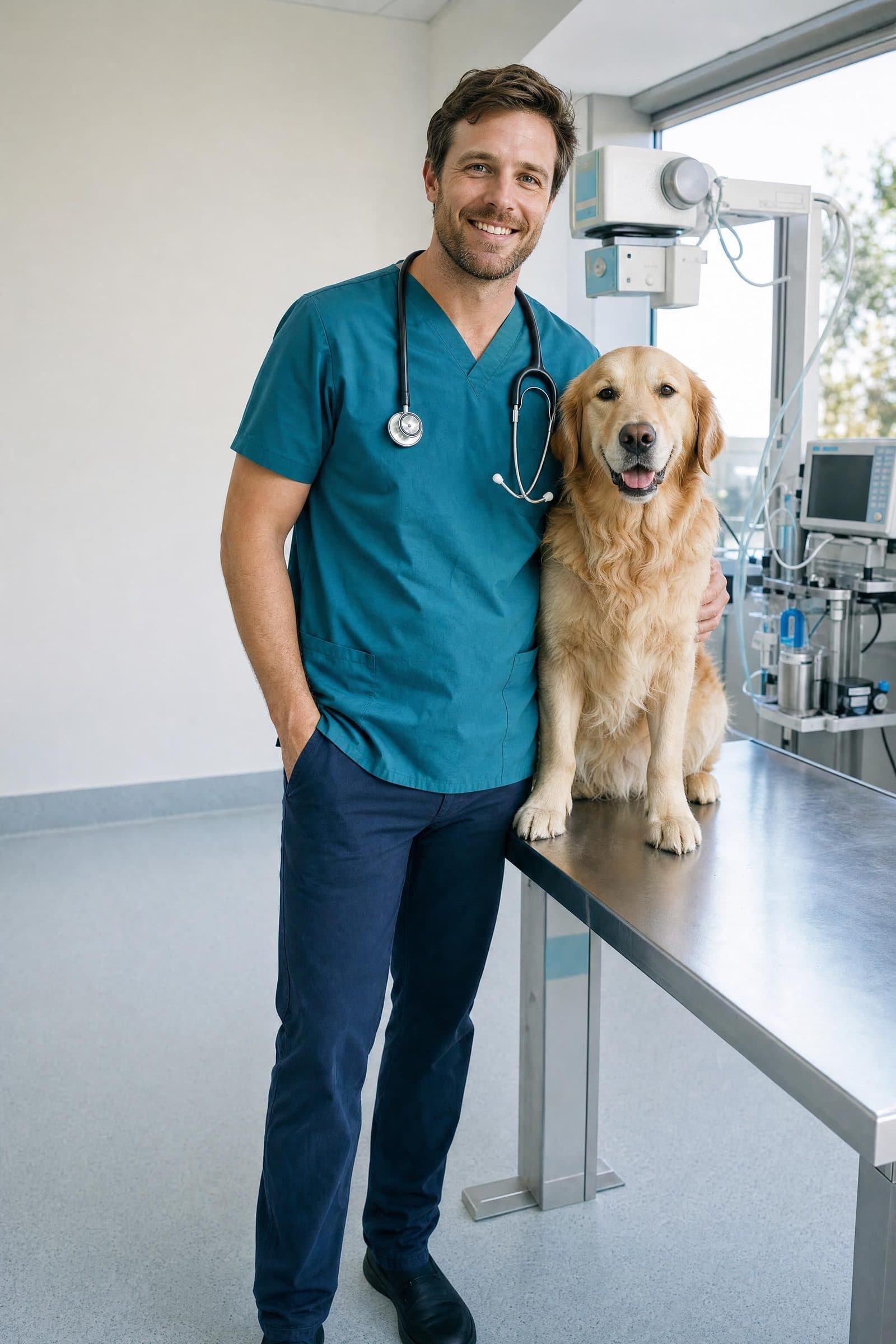
Medical and clinical equipment
Veterinary equipment finance from 48+ Australian lenders.
Fitting out a vet clinic means a dozen pieces of equipment arriving from different suppliers. We put them on one facility instead of a dozen contracts.
 340 client reviews


One broker from your first call through to funding.
See which veterinary equipment finance options fit your business.
Tell us what you are buying. A Lyft Money broker compares 48+ lenders and explains the rate, balloon, fees and total cost before you decide.
Access to 31+ veterinary equipment finance lenders
Lenders on our panel that fund veterinary equipment finance.






























At a glance
Veterinary equipment finance: the numbers that matter.
- Typical price
- $10,000 – $400,000
- Terms
- Up to 84 months
- Indicative rates
- 6.6% – 13.5% p.a.
- Typical speed
- 24–72 hours for low-doc within practice limits
- Usual structure
- Medical equipment finance
- Useful life
- About 12 years
In plain English
What is veterinary equipment finance?
Veterinary equipment finance is funding for surgical tables, anaesthetic machines, digital radiography, ultrasound, dental units and in-house pathology analysers, secured against the equipment. Australian veterinary lenders treat registered vets similarly to other health professionals and often fund whole-clinic equipment packages on one facility.
A veterinary practice runs a wide equipment set for its size: surgery, anaesthesia and monitoring, imaging, dentistry, in-house pathology, sterilisation and often hydrobaths and kennels. Each area is a separate supplier and a separate quote, and it is easy to end up with several finance contracts at different rates and terms simply because the purchases happened at different times rather than because that was the best structure for the practice.
A better approach is to plan the equipment list, then arrange one facility that settles each supplier as their gear arrives. That gives one repayment, one rate and one maturity. Lenders will typically fund this for a registered vet on the strength of the profession and the practice plan. Where analysers come with reagent commitments, check whether you are financing an asset or signing a supply agreement.
How lenders assess veterinary equipment finance
Registered veterinarians are viewed favourably by medical and professional lenders, and equipment for a new clinic can often be funded without property security. Multiple suppliers can generally be settled under one facility, which avoids a separate contract for each item. In-house pathology analysers are sometimes supplied under a reagent agreement rather than sold outright, so read whether you are buying or committing to consumable volumes. Terms of five to seven years suit long-life surgical and imaging equipment.
New or used
New equipment is standard for surgical and anaesthetic gear; refurbished imaging and analysers are common and financeable where service support exists.
Before you buy
- Check whether an analyser is being sold or supplied under a reagent rental — the two have very different total costs.
- Prioritise digital radiography and anaesthetic monitoring early; they change clinical capability more than most other purchases.
- Plan for large-animal versus small-animal work upfront, as the equipment sets barely overlap.
Commonly financed
- IDEXX Catalyst One and ProCyte analysers
- Sound and Cuattro digital radiography
- Mindray Vetus veterinary ultrasound
- Midmark veterinary surgical tables
- iM3 veterinary dental units


A clear next step
How to finance a veterinary equipment.
Our AI helps check lender fit across 48+ lenders. Your broker reviews the options and explains what they mean for you.
- 01
Quote and timeline
Supplier quote including installation and training, plus the expected delivery and commissioning dates.
- 02
Choose ownership or rental
Your broker compares chattel mortgage against operating lease based on the equipment’s replacement cycle.
- 03
Settle with a deferred start
The financier pays the supplier; repayments can be timed to begin once the equipment is billing.
- AHPRA registration and practice ABN
- Supplier quote with installation and training itemised
- Practice financials or bank statements depending on the amount
The lender makes the final credit decision. Available options depend on your business and the lender’s assessment.
Before you make a decision
Estimate your veterinary equipment repayments.
Adjust the price, rate, term and balloon to see the repayment and the total cost over the term.
- Number of repayments
- 60
- Balloon at end of term
- $41,000
- Total interest (est.)
- $54,629
- Total repaid (est.)
- $259,629
This calculator is a guide only. It uses simplified assumptions, excludes fees and charges unless stated, and is not an offer or quote. Actual repayments are confirmed by the lender in its loan contract.
From Lyft Money clients
Clear advice.
People who stay in touch.
Rated 5.0 from 340 Google reviews across the types of finance we arrange. Read them on Google.
“keeping us informed every step of the way”
“He explained all the financing options clearly”
“helped out my business”
Ways to finance a veterinary equipment
Key terms
What is veterinary equipment finance?
Veterinary equipment finance is a loan or lease used to buy clinical equipment for a veterinary practice, with the equipment as security. Terms commonly run 60 to 84 months and multiple suppliers can generally be settled under a single facility.
What is a reagent rental agreement?
A reagent rental places an analyser in a clinic at little or no upfront cost in exchange for a commitment to buy a minimum volume of consumables. It is a supply contract rather than equipment finance, and the total cost can exceed buying the analyser outright.
What veterinary equipment can be financed?
Digital X-ray, ultrasound, dental units, anaesthetic machines, surgical tables and lighting, in-house pathology analysers, cages and kennels, hydrotherapy and practice fit-out are all financed as equipment, with terms of three to seven years. Vehicles for mobile and large-animal vets are financed separately as vehicles.
Can I finance used veterinary equipment from a practice sale?
Yes. Equipment bought as part of a practice purchase can be financed on an inspection and valuation, and refurbished imaging and dental units from dealers with warranty are accepted by most lenders. Terms are usually shorter than new. Your broker matches the lender to the equipment and the practice.
Are vets eligible for professional equipment finance packages?
Yes. Registered veterinarians are treated as health professionals by several lenders, which means equipment and practice purchase finance with little or no trading history and often no deposit. Registration, a practice plan and a clean personal credit file are the key documents.
Can a whole veterinary practice fit-out be financed?
Yes. Equipment, cabinetry, kennels, flooring and building fit-out can be financed together under one facility or a combination of equipment finance and a fit-out loan, with progress payments to builders and suppliers funded during the build. A broker packages the whole project into one application.
What medical and clinical equipment can be financed?
Almost any clinical asset: ultrasound and imaging, dental chairs and CAD/CAM systems, surgical and sterilisation equipment, veterinary diagnostic and surgical gear, physiotherapy and rehabilitation machines, optometry and audiology instruments, cosmetic lasers, practice management software and IT, and the clinic fit-out itself. New equipment from suppliers is the simplest; refurbished equipment from recognised dealers is financed by many lenders too.
What does a practice-friendly finance structure look like?
Several lenders offer structures built for practices: deferred first payments so the equipment starts earning before repayments begin, terms matched to the equipment’s clinical life, seasonal or stepped repayments for practices that are still building patient numbers, and pre-approved equipment limits for established practitioners. Medical, dental and veterinary professionals are treated as low-risk borrowers, so pricing and documentation are usually favourable.
Can I get low-doc finance as a doctor, dentist or vet?
Yes. Registered health practitioners are often eligible for low-doc or no-doc equipment finance up to practice limits, commonly $150,000 to $500,000 depending on the lender and profession, based on registration, time in practice and credit history rather than financials. Larger amounts and new practices provide recent financials or a business plan. Your broker knows which lenders run professional programs for each discipline.
Should I lease or buy medical equipment?
Buy with a chattel mortgage when the equipment will serve the practice for years and you want to own and depreciate it, such as dental chairs or sterilisers. Lease when the technology moves quickly and you expect to upgrade, such as imaging, lasers or IT, because a lease with a residual makes the upgrade cycle simpler. Your accountant advises on the tax outcome for your practice entity, and your broker structures either option.
Can I finance equipment for a new practice?
Yes. Lenders regularly fund new practices for registered practitioners with a track record as an employee or associate, because the profession itself gives them confidence. A business plan, the lease on the premises and evidence of qualifications are the main requirements, and the fit-out, equipment and working capital can be funded together as a package so the practice opens fully equipped.
Is medical equipment finance tax deductible?
Generally, yes. For a chattel mortgage the interest and the depreciation of the equipment are deductible, and GST on the purchase can usually be claimed on the next BAS. For a lease the rental payments are deductible and GST is claimed on each payment. Instant asset write-off rules may apply in some years. Confirm the treatment with your accountant, since practices are often run through companies or trusts with their own considerations.
Your business. Your decision.
See your options.
Know the costs.
Decide with confidence.
One broker to explain it. Clear numbers before you proceed.
No obligation to proceed.